
Last updated November 24, 2026
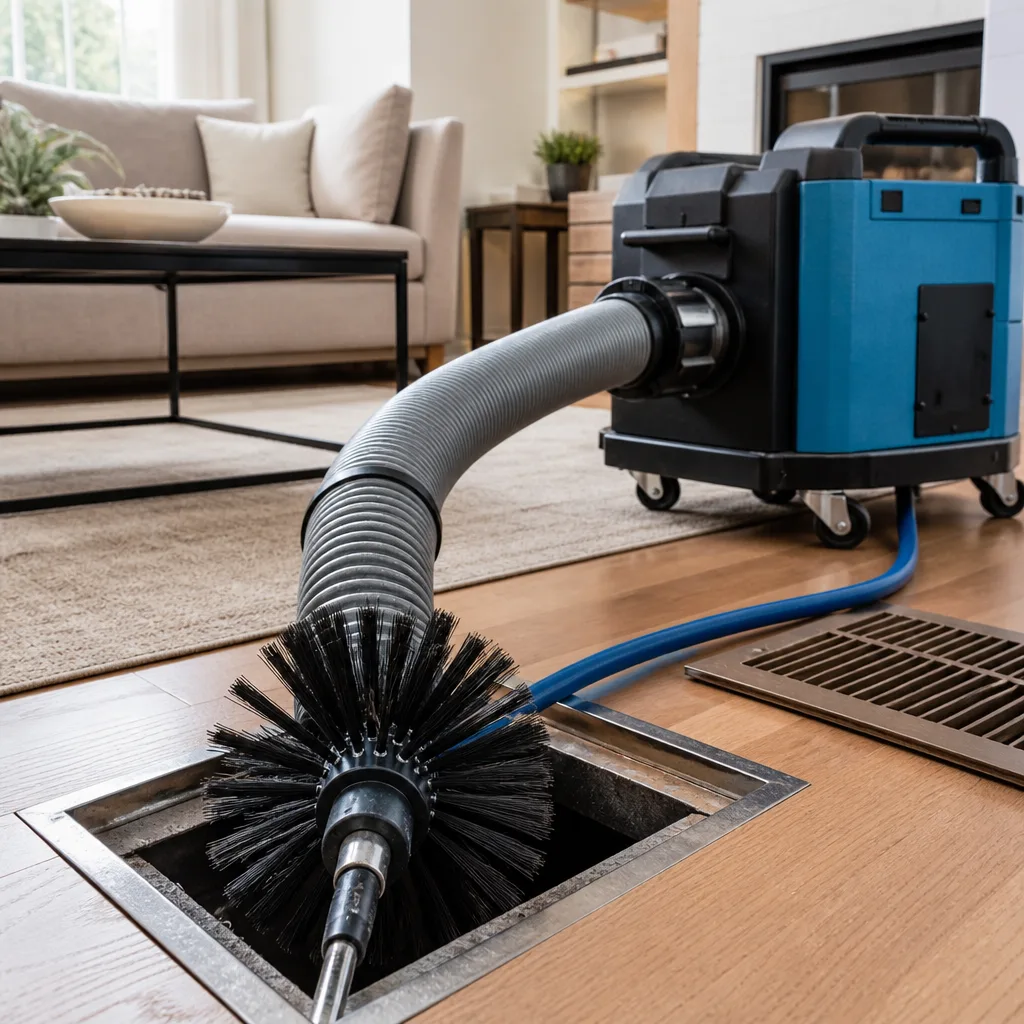 Whole-home duct cleaning
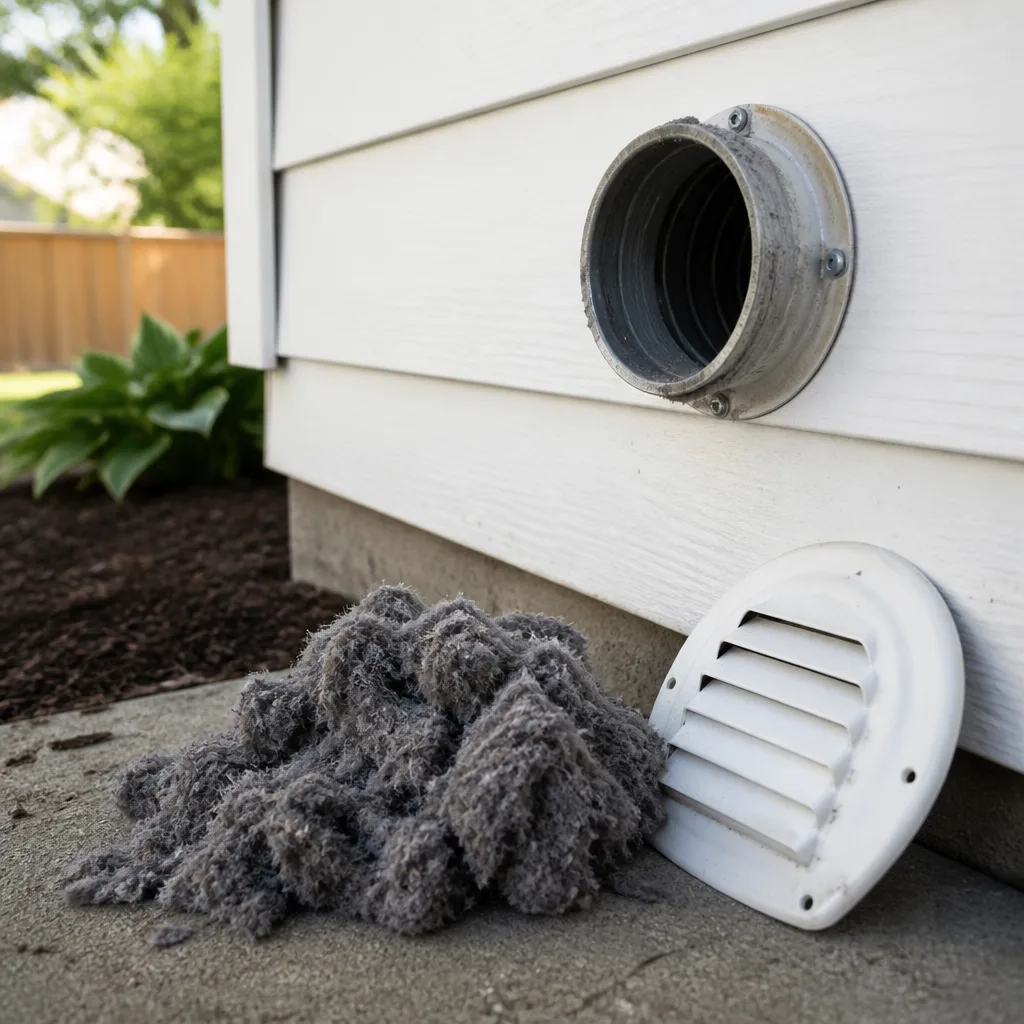 Dryer vent cleaning
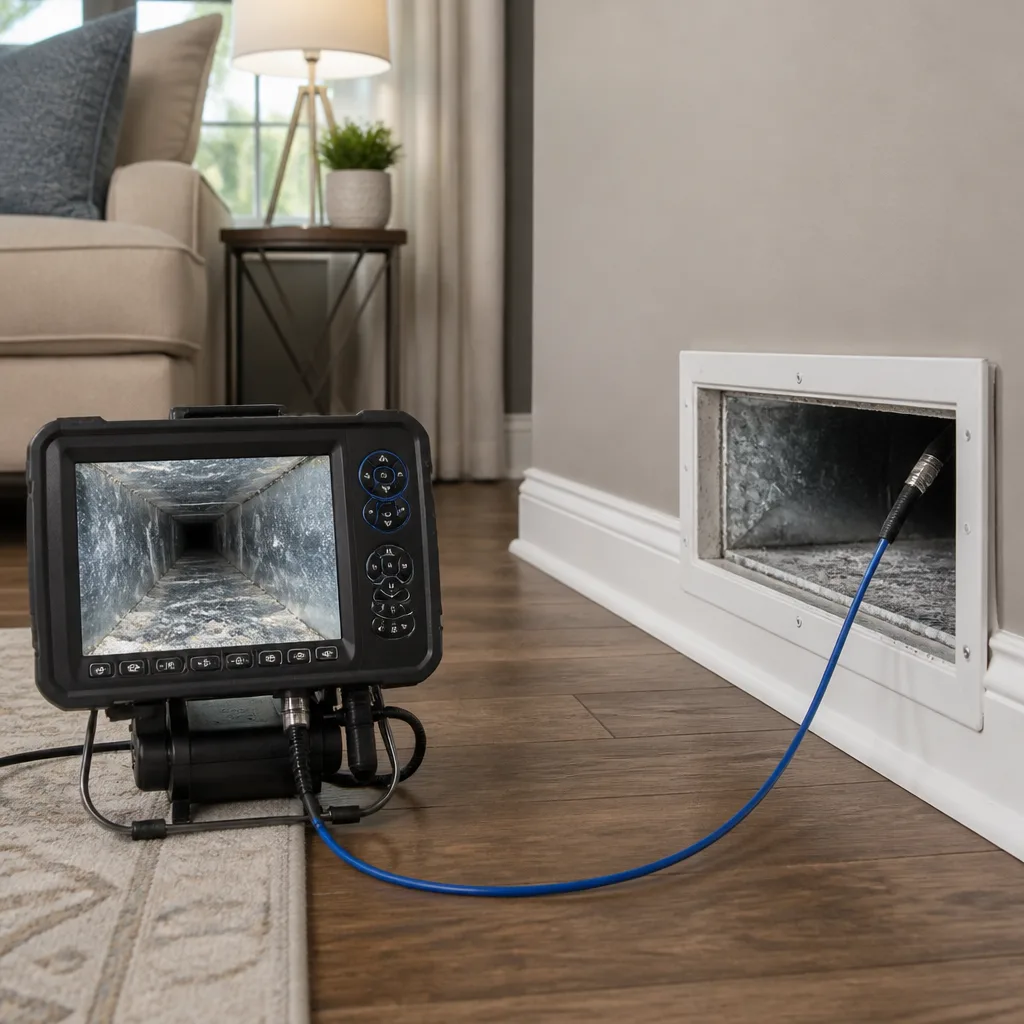 Camera inspection
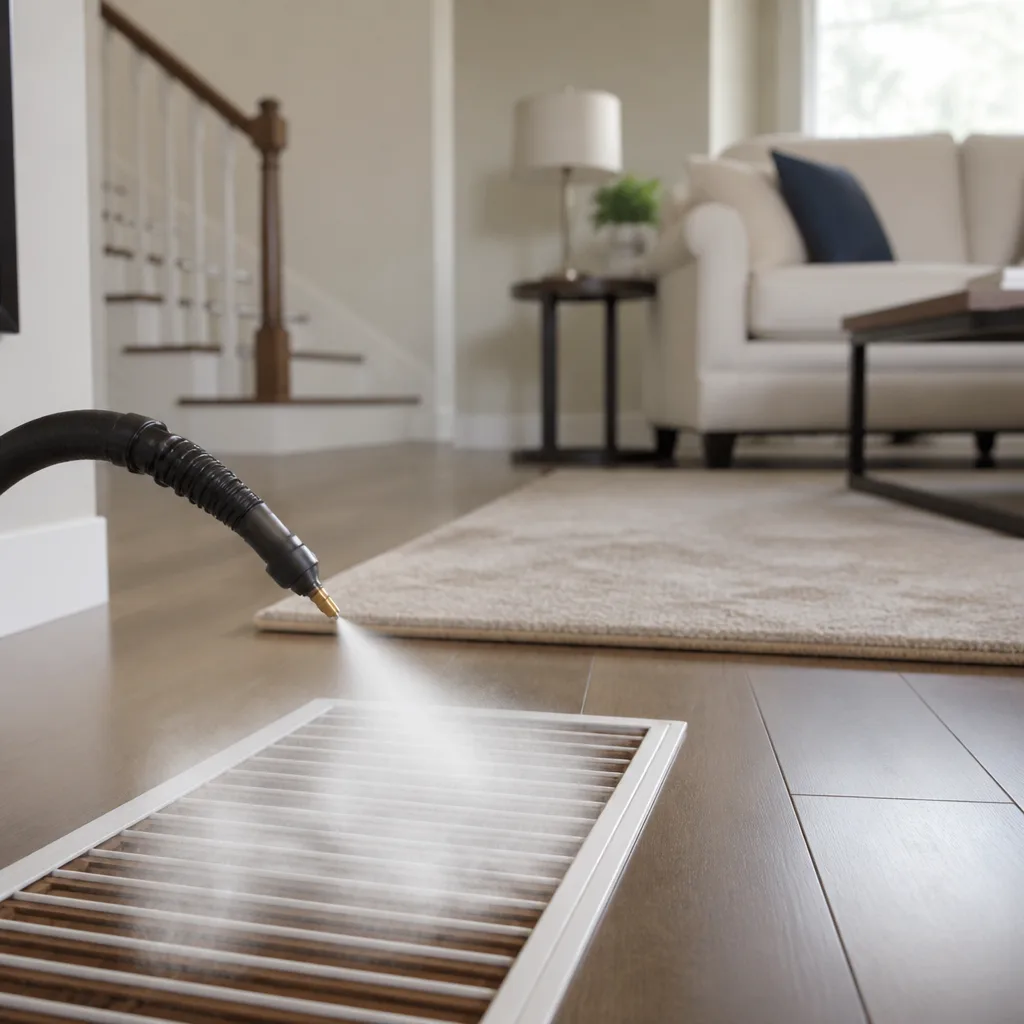 Sanitizing & deodorizing
Whole-system duct and dryer vent check with before-and-after photos - you see exactly what came out of your vents
That "$99 whole-house special" is a bait ad - the real number appears once they are in your hallway, or the "clean" is a shop-vac at the register. We photograph the inside of your ducts before and after instead.
Air Duct Cleaning Maintenance Checklist for West Jordan Homeowners
Replacing a filter on schedule while ignoring a gradual pressure drop across your return grille is like changing your oil while your radiator slowly leaks. The checklist item gets ticked, the system still fails. Most duct maintenance advice treats cleaning as a calendar event, something you do every few years and forget about. That misses the point. Your ducts are a closed loop you can’t see into, and the only way to manage them well is to watch the signals they send you. This guide is a monitoring protocol, not a cleaning schedule. It covers what to check monthly, what to check seasonally in West Jordan’s particular climate, what to document, and how to decide when a professional visit is actually worth it.
Quick Answer
A workable air duct maintenance checklist for a West Jordan home has three layers: monthly homeowner checks you can do in ten minutes, seasonal checks tied to the valley’s inversion season and the summer cooling ramp-up, and a professional cleaning decision driven by home age, occupancy, pets, renovation history, and what your grilles and filters tell you. Clean on evidence, not on a fixed multi-year timer. If you skip the monitoring and only clean, you’re guessing.
Styles & brands we work with
- Whole-home duct cleaning
- Dryer vent cleaning
- Camera inspection
- Sanitizing & deodorizing
Table of Contents
- Why Cleaning Intervals Are the Wrong Way to Think About Duct Maintenance
- Monthly Checks You Can Do Yourself in Ten Minutes
- West Jordan Seasonal Checks: Inversion Season and the AC Ramp-Up
- Filter Loading Rate as a Contamination Signal
- How to Spot Duct Leakage Without a Pressure Test
- What to Document Between Professional Visits
- The Two-Year vs. Four-Year Professional Cleaning Decision Tree
- What a Professional Visit Should Actually Involve
Why Cleaning Intervals Are the Wrong Way to Think About Duct Maintenance
The internet loves round numbers. Every two to three years. Every five. Every twelve to eighteen months if you have pets. These numbers feel reassuring because they turn an invisible problem into a schedule. They’re also a guess. Two West Jordan homes on the same street, built the same year, can have radically different duct conditions based on whether one has carpet and a Labrador and the other has hard flooring and a cat-free household.
The honest framing is that duct condition is a function of what enters the system and what the system does with it. Contamination accumulates at different rates depending on filtration quality, duct sealing, return air placement, and how much dust and debris the household generates. That’s why the more useful model is monitoring: check, observe change, respond to what the change tells you.
Monitoring has a second benefit. When you do call a professional, you’re not calling to ask “is my system dirty?” You’re calling with a history. Photos, dates, notes on what changed. That’s the difference between a generic cleaning and a targeted one. Companies equipped with Rotobrush and Nikro systems can do a thorough cleaning either way, but a homeowner who has documented the system helps ensure the visit focuses on the parts of the system that actually show a problem.
This guide lives inside our West Jordan Air Duct Cleaning work, which means the checklist below is the same one we suggest to anyone who wants to know their system rather than just pay to have it serviced. It applies to homes, townhomes, and light commercial spaces across the Salt Lake Valley, with observations specific to West Jordan.
Monthly Checks You Can Do Yourself in Ten Minutes
Set a recurring reminder. Once a month, walk the house with a flashlight and a phone for photos. The goal isn’t to fix anything, it’s to notice. Here’s what to check and what each observation means.
- Static pressure feel at supply registers. Hold your hand (or a strip of tissue) at each supply grille while the air handler runs. You’re not measuring numbers here, you’re building a baseline. Note which registers feel strong and which feel weak. Once you know what “normal” feels like in your West Jordan home, a sudden drop at one register becomes obvious. A single weak register often points to an obstruction or a dislodged flex duct, not a dirty system overall.
- Visible dust rings at grille perimeters. Look at the wall or ceiling around each supply and return grille. A dark ring forming around the perimeter is a sign of air bypassing the frame, which usually means the grille is loose, the seal has failed, or the duct boot isn’t tight to the drywall. That bypass is drawing dust out of the wall cavity into the room.
- Filter loading rate. Note how loaded the filter is at each check. If a filter that normally lasts two months is visibly grey after three weeks, the system is moving more airborne material than it used to. That’s a contamination proxy and worth writing down.
- Dust pattern on nearby furniture. A light, even film across a shelf is normal household dust. A heavier concentration right below or beside a supply register points to air blowing dust off the grille or out of a compromised duct.
- Return grille condition. The return pulls air in. Any debris trapped on the intake side of the filter slot or a clogged return in a hallway or utility closet is worth noting immediately.
None of these observations tells you to call anyone. They tell you what’s baseline and what’s drifting. That’s the entire point of the monthly pass. A homeowner who knows their baseline spots trouble months earlier than one who only notices when the dust problem gets visible.
West Jordan Seasonal Checks: Inversion Season and the AC Ramp-Up
West Jordan sits in the Salt Lake Valley, and the valley’s winter inversion pattern matters to your ducts. During inversion periods, cold air gets trapped under a warmer layer at the top, pollutants and fine particulate accumulate below it, and the outside air available to your home is dirtier than it is in spring or fall. Your filter catches what comes in through the return system. That’s exactly why timing seasonal checks to the inversion calendar matters.
After inversion season ends. In March or April, before you default to the same filter swap you always do, look at grilles and returns first. Open the grille, look at the boot and the visible duct run behind it, and note any streaking or dust accumulation. Replace the filter. If the filter coming out is markedly heavier or darker than it was at the same point in prior years, that’s a signal the system is holding more than it used to, and worth a professional look.
Before summer load ramps up. In late spring, before the cooling season starts driving the air handler hard every day, check the evaporator coil and blower. West Jordan summers push the AC hard, and a coil that’s been dealing with a year of dust and fine particulate will struggle. A blower with a dusty wheel moves less air, which raises static pressure and starves rooms at the end of the run. That’s what HVAC cleaning addresses, and doing it before the load climbs matters more than doing it mid-summer.
Before heating season. October is the right time to check the furnace side. Same logic, reversed. If the system ran all summer with a compromised filter and a partially obstructed coil, more dust has entered the cabinet, and running the furnace with a dirty heat exchanger or blower isn’t the same as running the AC with it. If the system uses gas, this is not a component to inspect yourself; that step belongs to a qualified technician. Check the filter and grilles on your own, and call a professional for the heat exchanger and burners.
Filter Loading Rate as a Contamination Signal
Filter loading rate is the single most useful number a homeowner can track, and almost nobody does. The good news is you barely need to do anything beyond writing it down. Every time you change a filter, note the date, the filter type, and a one-word condition note (“light grey,” “heavily loaded,” “pinkish dust”). That’s it.
What you’re watching for is a trend. A filter that lasts eight weeks in June and seven in November is stable. A filter that used to last eight weeks and now lasts three is telling you something changed. Candidates for that change in a West Jordan home include:
- Renovation dust from a remodel, flooring change, or drywall project
- A new pet, or a season with shedding weight
- Carpet replacement, which produces fine fiber that migrates through the return
- Duct leakage that’s now pulling attic or crawlspace air into the system
- A failing filter (wrong MERV rating, or a filter that’s collapsed or installed in the wrong orientation)
Filter choice and loading rate are also tied to brands like Aprilaire, because whole-home filtration systems and media cabinets handle loading differently than a basic 1-inch slot filter. If your West Jordan home uses a platform filter cabinet rather than a slot, the loading signal is still there but the replacement schedule behaves differently. We service Aprilaire systems and see this routinely. The homeowners who track their loading rate notice a system problem earlier, and an earlier fix is cheaper than a late one because the problem has had less time to compound through the system.
Don’t over-filter. Going to a very high MERV rating on an older system can restrict airflow enough to raise static pressure and stress the blower. Filter upgrade and filter loading are not the same project.
How to Spot Duct Leakage Without a Pressure Test
Professional diagnostics use a pressure test (a duct blaster) to measure how much air leaks out of the system at a known pressure. You don’t need one to notice that a leak exists. A few homeowner-level signals point to it directly.
- Uneven room temperatures. Not “the far room is a little cooler,” which is normal for a long run. The signal is a room that’s several degrees off from the rest of the house, consistently, and gets worse in extreme weather. That pattern suggests a supply run has lost more air than expected between the main trunk and the room.
- Higher-than-baseline utility bills. If you’re heating and cooling the same house, same habits, same occupants, and bills crept up over a season or two, one contributing cause is conditioned air leaking into an attic or crawlspace before it reaches the room. This is not the only cause and utility rates move too, so track it as a signal, not a diagnosis.
- Excessive dust on furniture near supply registers. Addressed above, still true here: a heavy dust film right at the edge of a supply register is often the visual signature of a compromised duct boot or a disconnected flex run.
- Visible dust at the register boot edge from inside. When you look up through a supply register into the boot (a flashlight and a phone camera help), a visible gap between the duct and the drywall, or a mastic seal that’s cracked and pulling away, is a direct sign of leakage.
- Condensation at supply registers in summer. In West Jordan’s dry summers this is usually caused by the register box being cold and either pulling humid air from a conditioned space or from a leak in the duct run. Sometimes it’s a symptom of something else, but it’s worth a look.
When you find the signs, air duct cleaning alone isn’t the answer. Cleaning a leaky duct system cleans the ducts, but the leak stays and keeps pulling new debris in. That’s why we offer duct repair and sealing alongside cleaning. Sealing the leaks fixes the root cause; cleaning removes what accumulated while the leaks were active. Doing one without the other is doing half the job.
What to Document Between Professional Visits
The single most useful thing a homeowner can bring to a professional visit is a short log of observations. Keep it in a notes app or a notebook, or just in your phone’s photo album with captions. Here’s a simple system:
- Dated photos of each grille. Photograph the supply and return grilles at the start, then any time you observe a change. A dark ring forming, a dusty film, a grille that’s loose. Photos make “it’s seemed dusty lately” into a specific, datable observation.
- Filter change log. Date, filter type, and one-line condition note. The trend is the point, not any single entry.
- Room temperature notes. In summer and winter, note any room that runs notably hot or cold compared to the rest of the house. Log it, don’t try to fix it. The pattern matters more than a single reading.
- Renovation and household changes. New pets, new carpet, drywall work, a furnace or AC replacement. Any of these can shift the contamination rate, and a professional who knows about them can read the system better.
- Utility bill trends. A monthly screenshot or a saved bill number. Not to diagnose, just to spot drift.
This is the difference between a cleaning that covers the whole system and a cleaning aimed at what actually needs attention. Technicians armed with a homeowner’s observations can check the specific return, run, or coil that the notes point to. Rotobrush and Nikro equipment reach deep into the system either way, but a documented visit is a more precise one. If you’re in a West Jordan neighborhood like Copper City, Oquirrh Shadows, or the homes around Gardner Village, the same system applies. Neighborhood doesn’t change the checklist, it just changes how you’d note seasonal drift, because different parts of the valley run slightly different temperatures through the day.
The Two-Year vs. Four-Year Professional Cleaning Decision Tree
This is the part where the round numbers actually earn their keep, because there’s a real difference between homes that need a two-year cycle and homes that can safely run four years. Work through these questions in order.
- Is the home new (within the last three years) or recently re-ducted? New construction dust and manufacturing debris settle in the system for years. Two-year cycle for the first cleaning.
- Is there more than one pet in the household, or a heavy-shedding dog? Two-year cycle. Pet dander and hair load a system faster than the average household generates dust.
- Has there been renovation work in the last two years (drywall, flooring, cabinets, or a significant paint job)? Two-year cycle, and sooner if the work was dusty.
- Does the house have carpet throughout, and more than three occupants? Two-year cycle is the safer bet. Carpet and people both generate airborne material.
- If none of the above applies and the home is over three years old, no recent renovation, one or zero pets, hard flooring or hybrid flooring: four-year cycle, with the monthly and seasonal checks still running.
One more condition sits outside that list and it matters enough to say plainly: if the monthly checks show a clear trend (filter loading rate rising sharply, dust at registers recently increased, a room’s temperature drifting away from the rest of the house), call before the calendar cycle is up. The checklist runs on evidence, and a trend is evidence.
The two vs. four decision also depends on what you find when you look, not just what category the home fits. A forty-year-old West Jordan home with a recently replaced HVAC system but the original ductwork can behave very differently from a ten-year-old home with newer sealed ducts. Age of the ducts themselves matters, and so does whether the ducts have ever been sealed. If you don’t know the answer, that’s a good reason to have a professional look once and set a baseline.
What a Professional Visit Should Actually Involve
Not all duct cleaning visits are the same, and the difference matters more than most homeowners realize when they’re comparing quotes. A visit that pulls the register covers and vacuums the visible runs is a partial job. A full-system visit addresses the entire air pathway.
Here’s what a thorough visit covers, in general terms:
- The supply and return duct runs, cleaned with rotary-brush and negative-pressure equipment. Rotobrush and Nikro systems are the commercial-grade standard, and they’re what we use on West Jordan homes rather than consumer-level shop vacs.
- The air handler cabinet and blower wheel, checked and cleaned. A dusty blower wheel reduces airflow, and no amount of duct cleaning compensates for it.
- The evaporator coil, inspected and cleaned where accessible. This is the component most often operating below spec in a system that’s been running with compromised filtration.
- Containment and filtration during the cleaning itself, so dust from the process doesn’t end up in your living space. We bring Abatement Technologies filtration, the same standard used in environmental remediation work, so the job is contained while it’s happening.
- A sealing check, because the visit is the right time to fix what’s leaking rather than to clean around it.
- Before-and-after photos of the actual system, not stock images. You should see what was cleaned.
Sanitizing, when appropriate, follows cleaning. Guardsman-grade protective products are part of that process. It’s a step, not a substitute for cleaning, and it should never be the headline of a visit. A system that’s cleaned properly has less need for treatment than a system that’s just been spot-cleaned.
Whole-home air quality components fall into the same category. If your West Jordan home has an Aprilaire or Honeywell filtration or humidity system, the visit should acknowledge it and clean around it rather than assuming the duct run is uniform. We service both brands, and the systems change what a proper cleaning looks like.
See the difference
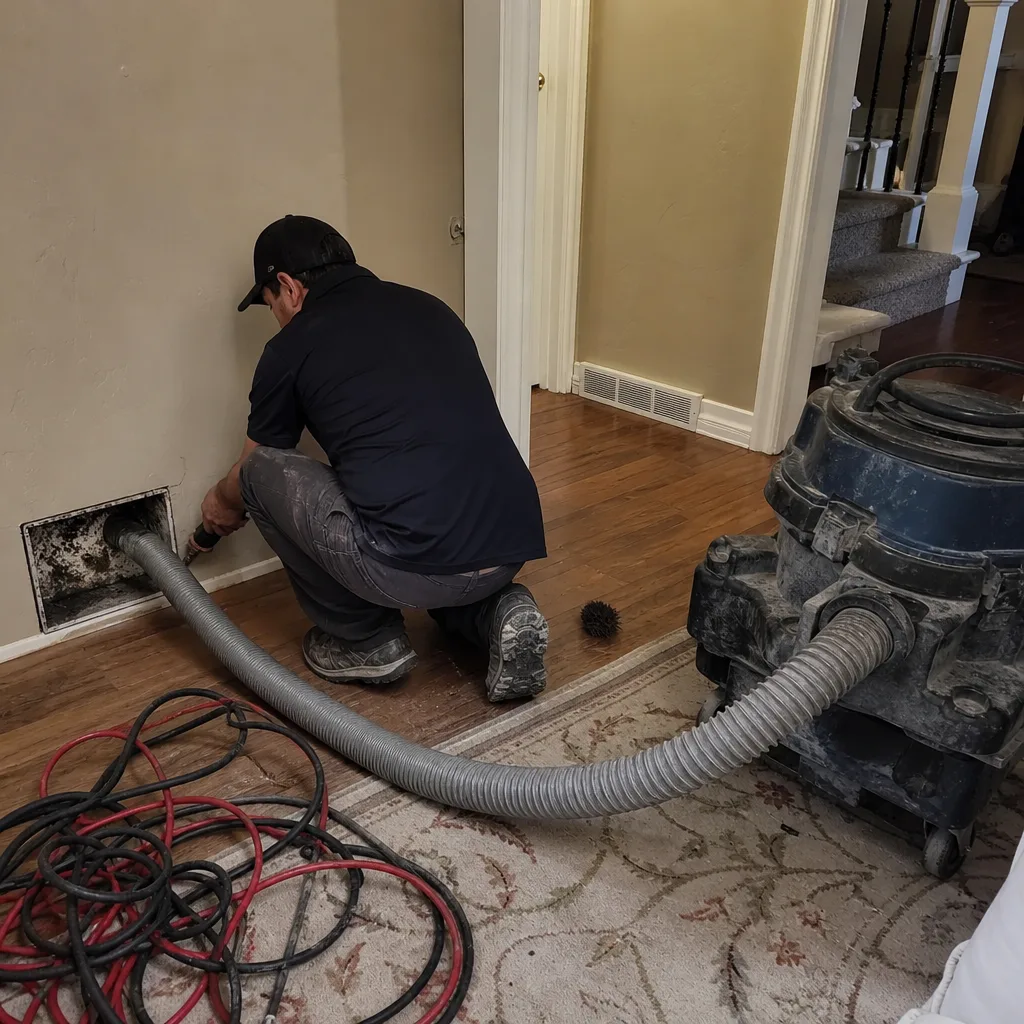 Before
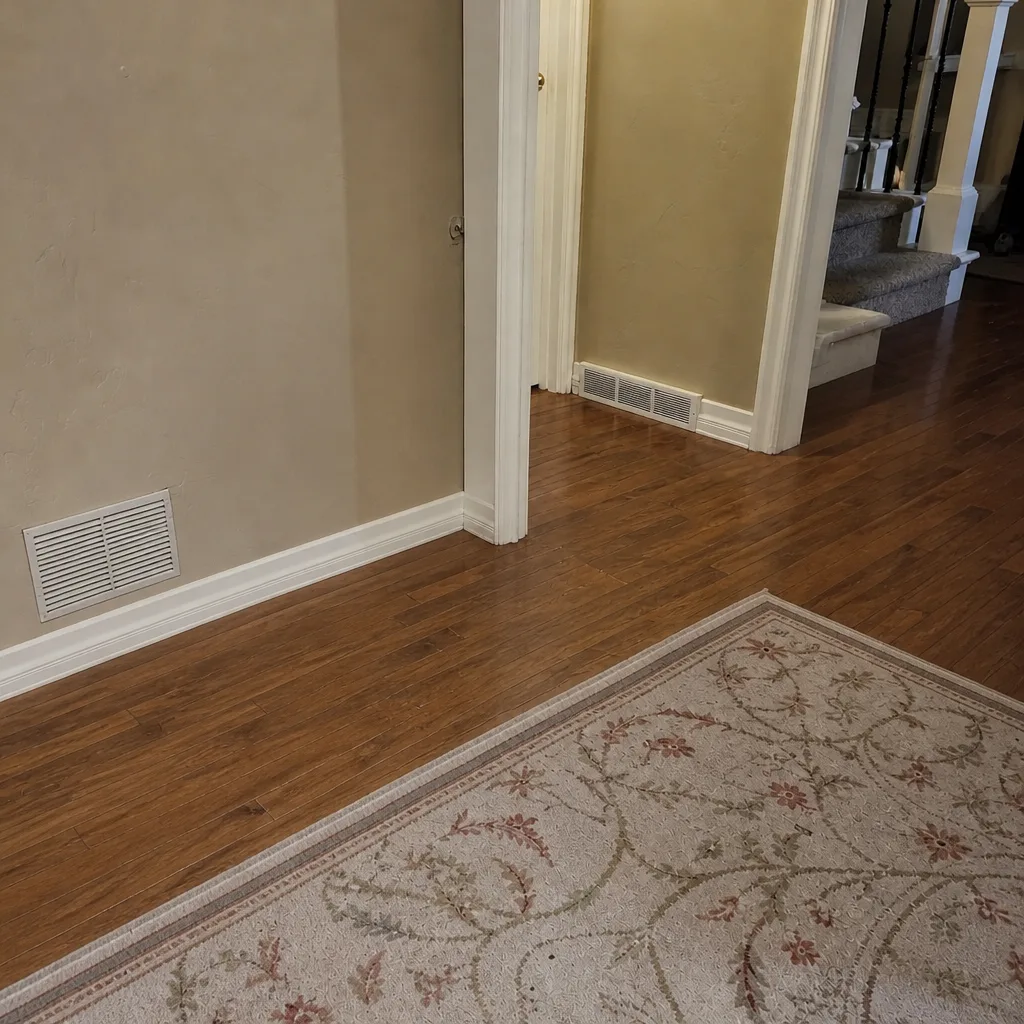 After
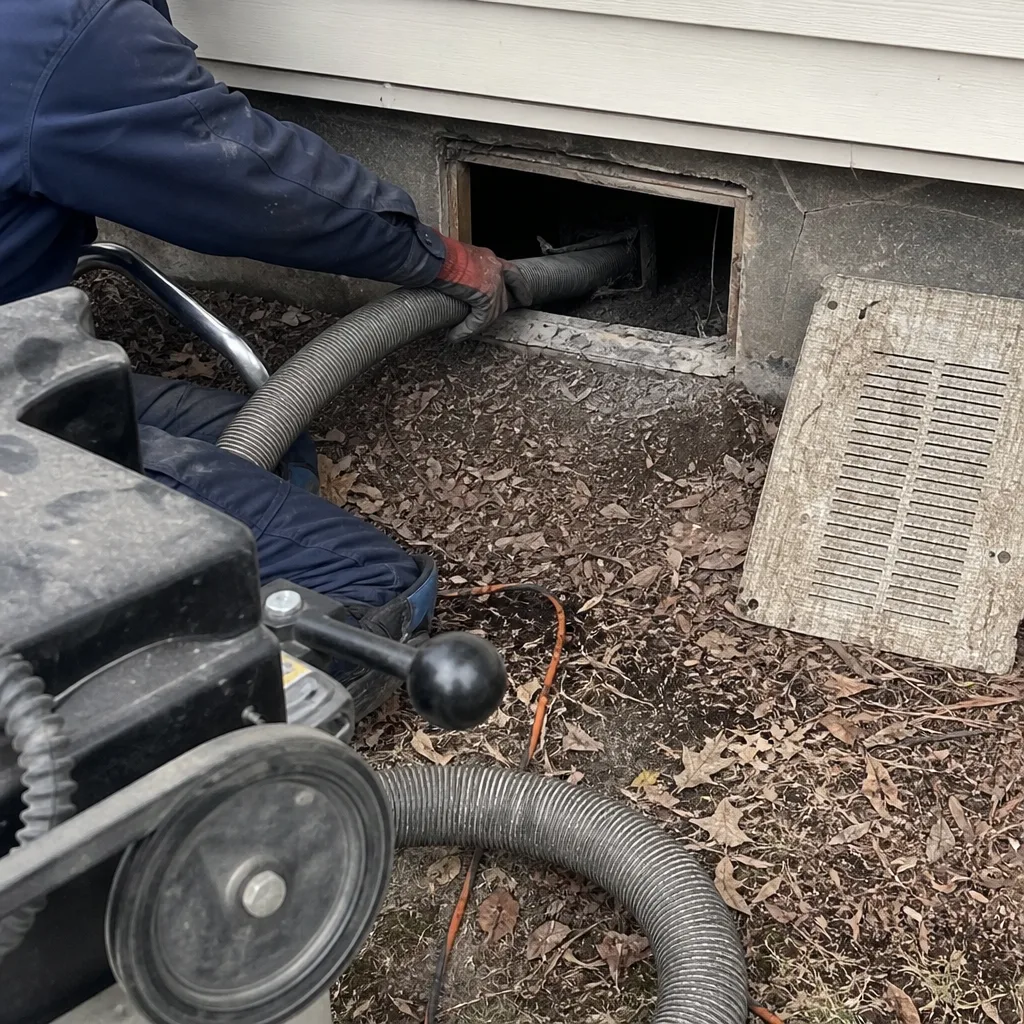 Before
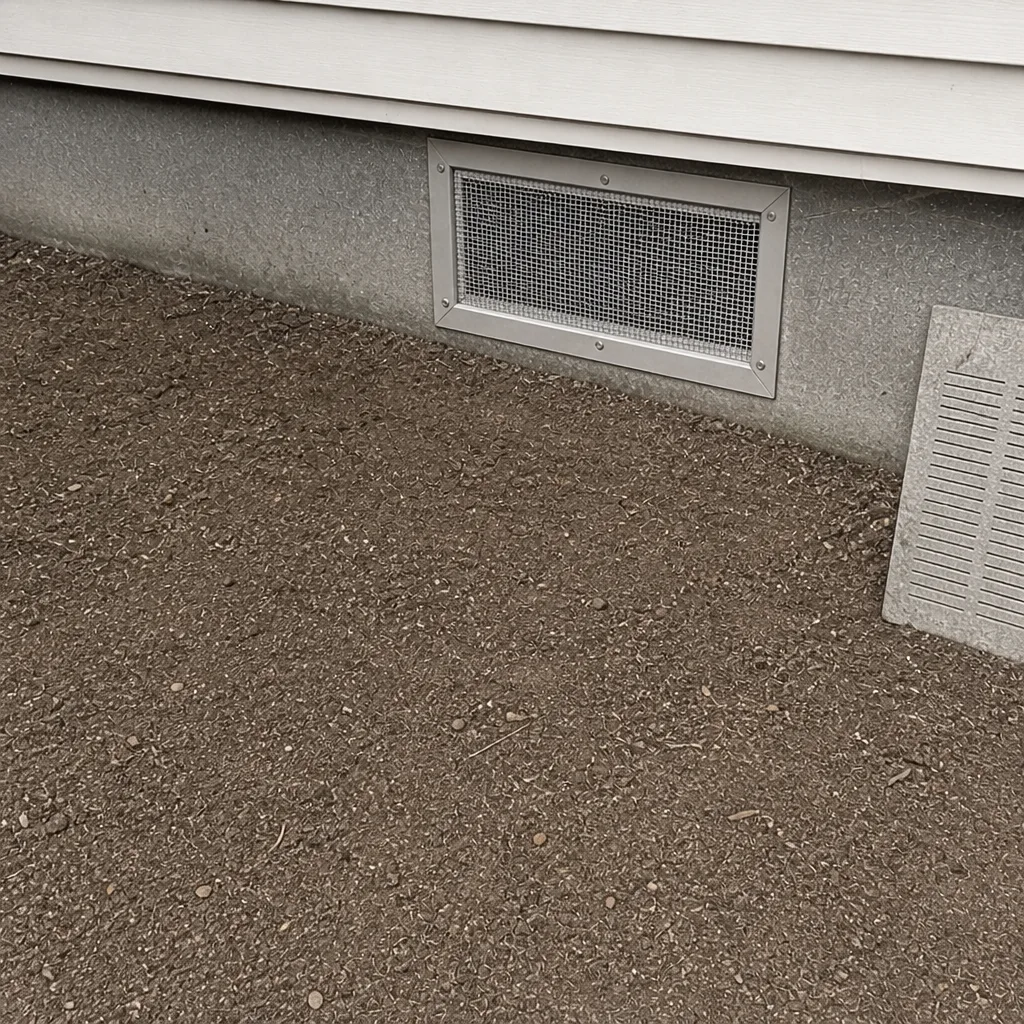 After
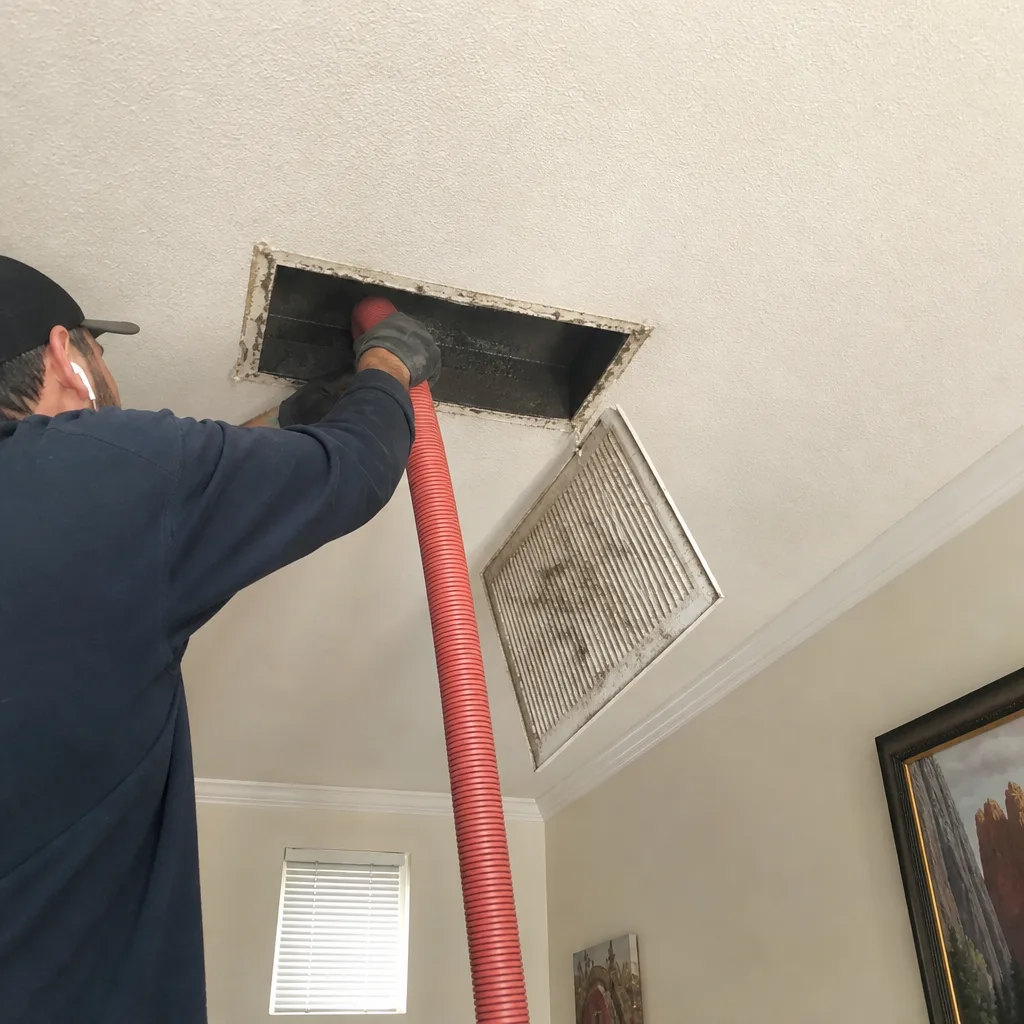 Before
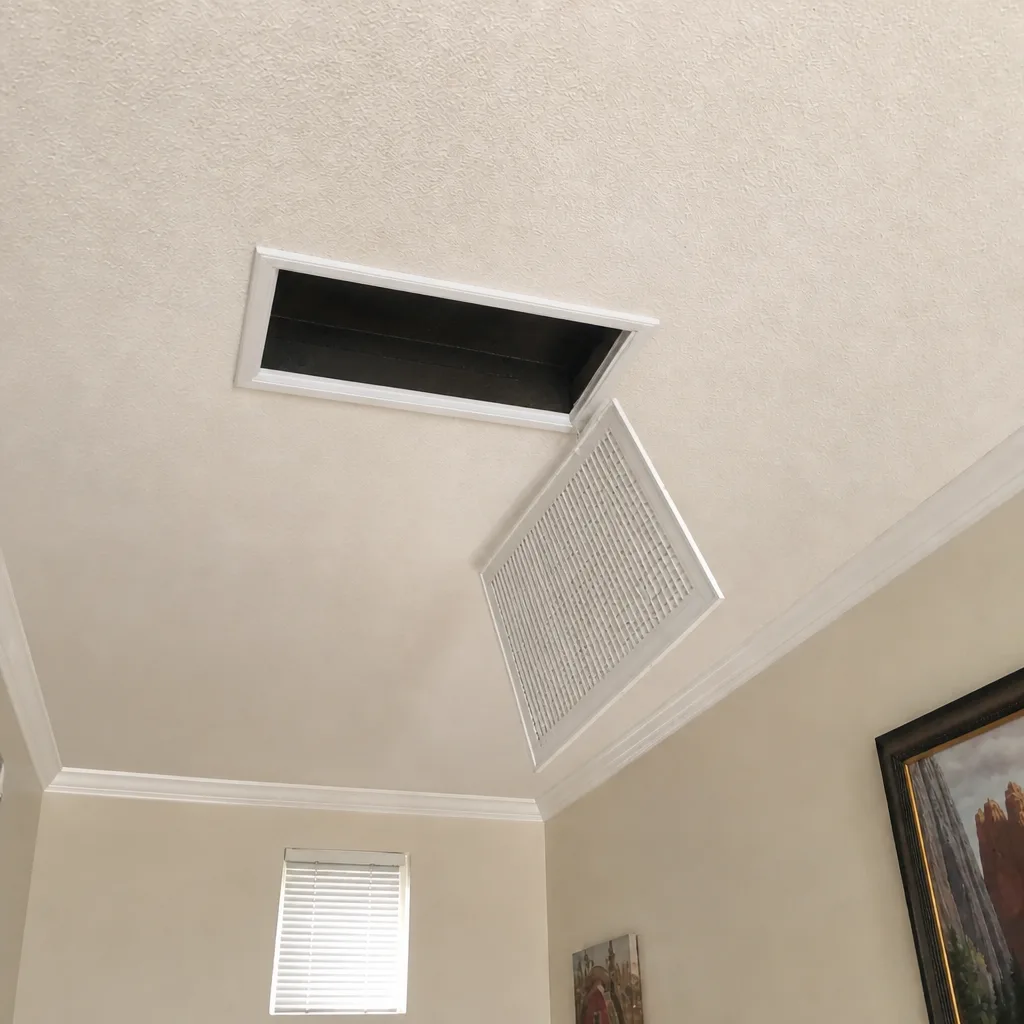 After
Common Mistakes to Avoid
- Cleaning on a fixed timer without checking anything between visits. A cleaning visit scheduled purely because two years have passed can miss a system that needed attention after eighteen months and can over-service a system that could have gone another year. Observe first, clean on evidence.
- Calling duct cleaning when the real problem is sealing. If the leak signs are there (uneven rooms, utility bill drift, dust concentrated at supply registers), cleaning alone cleans what the leak has already drawn in. Seal first, clean second, or do both in one visit.
- Upgrading to a very high MERV filter without checking the system can handle it. West Jordan summers push the AC hard, and a filter that restricts airflow can burden the blower. A higher rating isn’t automatically better for an older system.
- Skipping the coil and blower when the ducts are cleaned. The ducts are the delivery system. The blower and coil are what move and cool the air. Cleaning one without checking the others leaves part of the problem in place.
- Trusting stock photos as proof of work. Ask for photos of your own system. A cleaning report without photos of your actual ducts tells you almost nothing.
- Confusing a coupon price with what the job costs. An advertised low price often becomes a much larger invoice once the technician sees the system. Ask for one flat price per system, agreed before the work starts.
- Forgetting the dryer vent because it’s not the HVAC. The dryer vent cleaning side of the indoor air pathway is often the most overlooked and the most consequential to check on a schedule. It’s a separate run, but the same monitoring logic applies.
When to Call a Professional
Call a professional when observation stops being enough. That includes: a filter loading rate that’s changed abruptly, visible dust at a grille that wasn’t there before, a room that’s drifting several degrees off baseline, a visible gap or loose boot at a supply register, condensation at supply grilles in summer, or a renovation that’s just wrapped. It also covers the case where you simply don’t know the system’s history and want a baseline established.
West Jordan Air Duct Cleaning offers free estimates in West Jordan. We’ll look at the system you have, not the system a coupon assumes you have, and give you one flat price per system before any work starts. We answer 24/7. Fast dispatch from 7am to 7pm, Sunday through Friday. Call (877) 302-8330.
Frequently Asked Questions
Most West Jordan homes should have their ducts cleaned on a two-to-four-year cycle driven by household factors, not a fixed timer. Homes with pets, recent renovations, or carpet throughout usually fall on the two-year end. Homes with hard flooring, no pets, and no recent work can generally run four years with monthly and seasonal monitoring between visits. Inversion season slows the interval, because the winter particulate load is higher here than in spring and fall.
The honest answer is that cost depends on the size of the system, the number of runs, and what the technician finds. That’s why we quote per system and give a flat price before work starts. Call (877) 302-8330 for an exact quote. Estimates are free, and you’ll know the price before anything happens.
Cheap quotes are usually partial jobs. They cover the visible registers and the main trunk, not the full supply and return runs, the blower, or the coil. The very low advertised price is often a teaser that becomes a much larger invoice once the technician is on site and the “extras” are added line by line. Ask what the quote actually covers. One flat price per system, agreed before work starts, is the right comparison.
Ask for before-and-after photos of your own system, not stock images. Photos of your return, your supply runs, and your blower before and after are the clearest evidence. A thorough visit should be able to show you what came out of the system you live in. We use Abatement Technologies filtration and commercial-grade Rotobrush and Nikro equipment, and the visit is documented so you can see it.
Uneven room temperatures, higher-than-baseline utility bills you can’t otherwise explain, and heavy dust concentration right at supply register edges are the three main homeowner-level signals. They don’t prove a leak but they point to one. If they line up, cleaning without sealing leaves the leak in place. We offer duct repair and sealing so the root cause gets fixed rather than just cleaned around.
There’s no single number, which is why the loading-rate approach beats a fixed schedule. During winter inversion conditions in the Salt Lake Valley, the outside air is carrying more particulate than it does in spring and fall, and the filter loads faster. Track the loading rate through one full inversion season and you’ll have your own answer for your own home. A filter that loads in six weeks during inversion and eight weeks in spring is normal.
No. A pressure test is a professional diagnostic and takes a duct blaster, but the observational signs (uneven rooms, bill drift, register-edge dust, condensation at supply grilles) tell you whether one is worth having. If several signals line up, have the system looked at. If none do, the monitoring is doing its job.
Yes. New construction and recently re-ducted homes start with a heavier debris load, because construction dust and manufacturing debris settle into the system for the first couple of years. The two-year cycle applies for the first cleaning, and the seasonal checks should run similar to a mature home. Document the first cleaning well, because it establishes the baseline for everything after it.
The Bottom Line
Duct maintenance is a monitoring protocol, not a cleaning timer. The monthly ten-minute walk tells you what’s drifting. The seasonal checks tie to West Jordan’s inversion season and the AC ramp-up. The filter loading rate gives you a single number that flags change early. The leak signs let you spot an airflow problem without a pressure test. The documentation you keep between visits makes any professional visit more precise. And the two-year vs. four-year decision comes down to home age, occupancy, pets, and renovation history, adjusted whenever the observations say so. Clean on evidence. Watch the system you can’t see.
Call (877) 302-8330 for a free estimate. We answer 24/7. Fast dispatch from 7am to 7pm, Sunday through Friday.
Written by the team at West Jordan Air Duct Cleaning.