
Last updated November 24, 2026
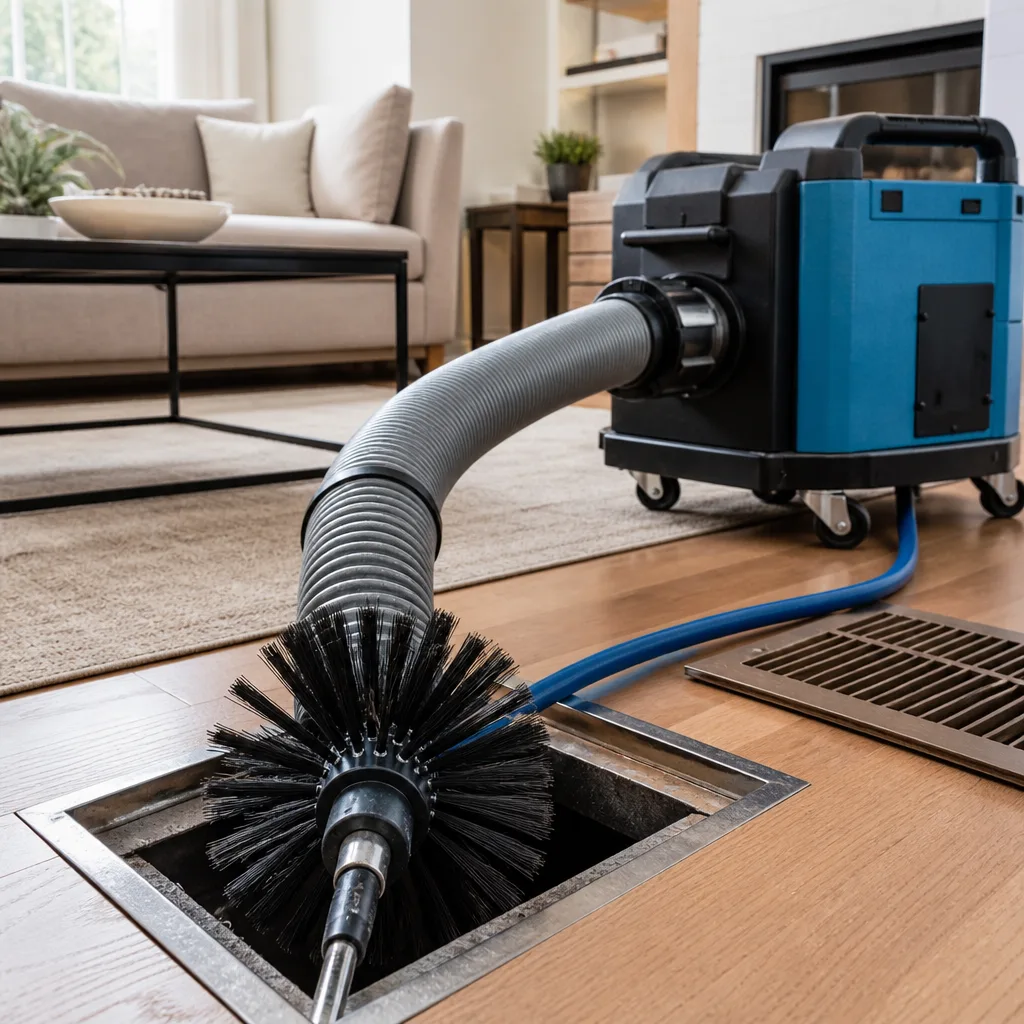 Whole-home duct cleaning
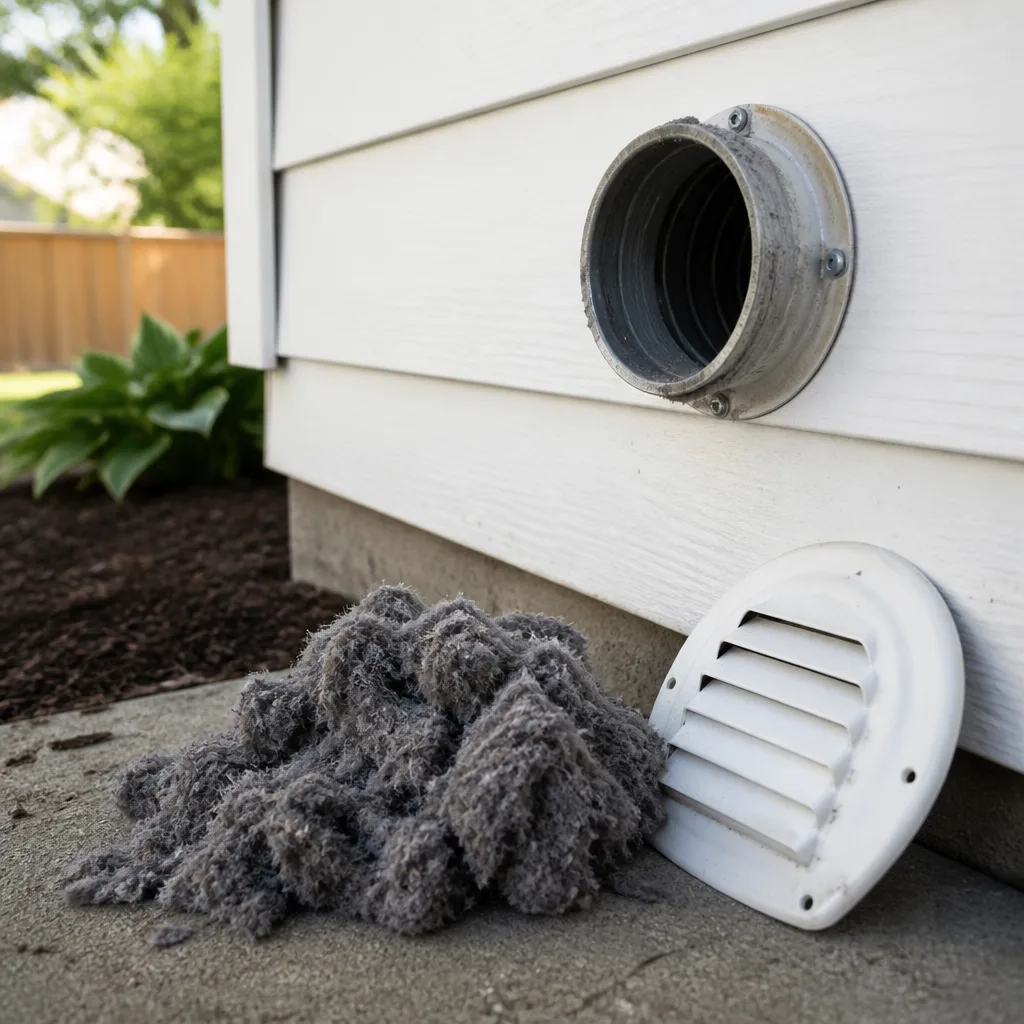 Dryer vent cleaning
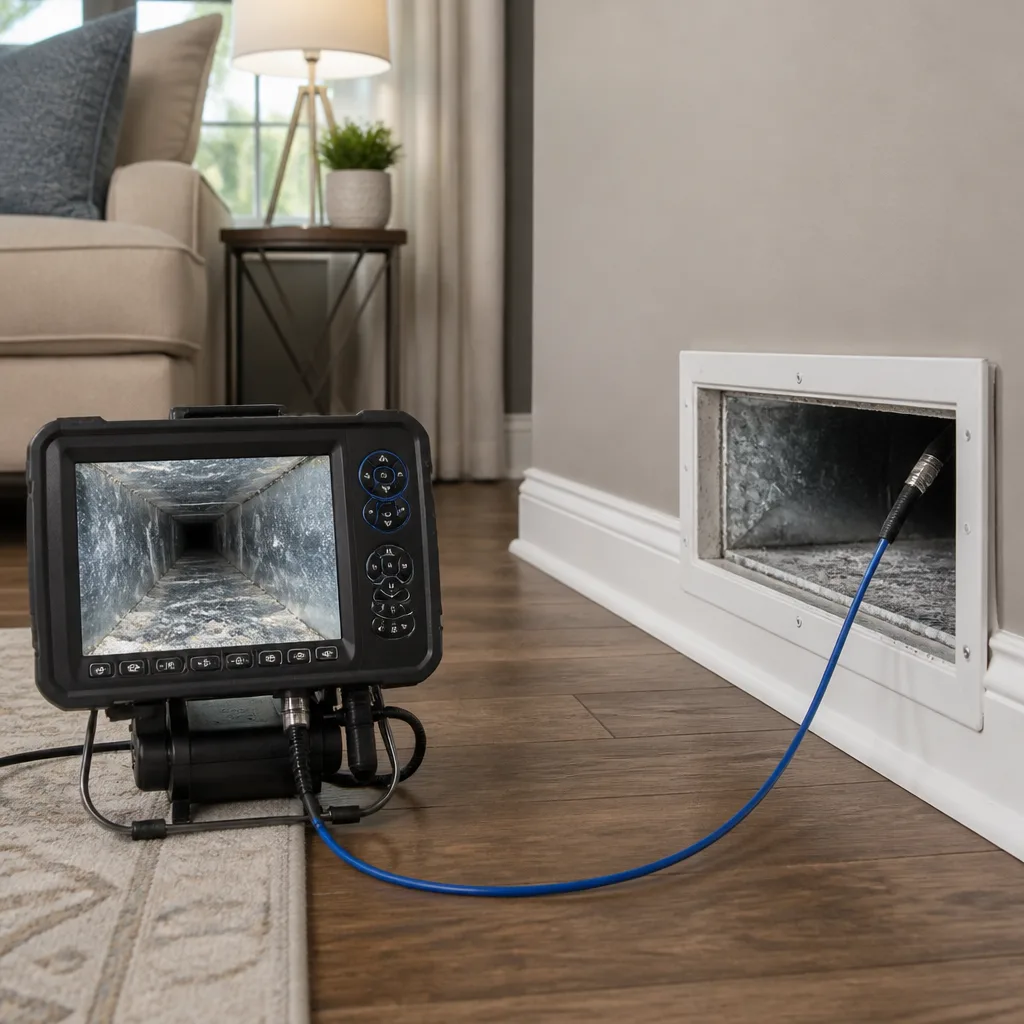 Camera inspection
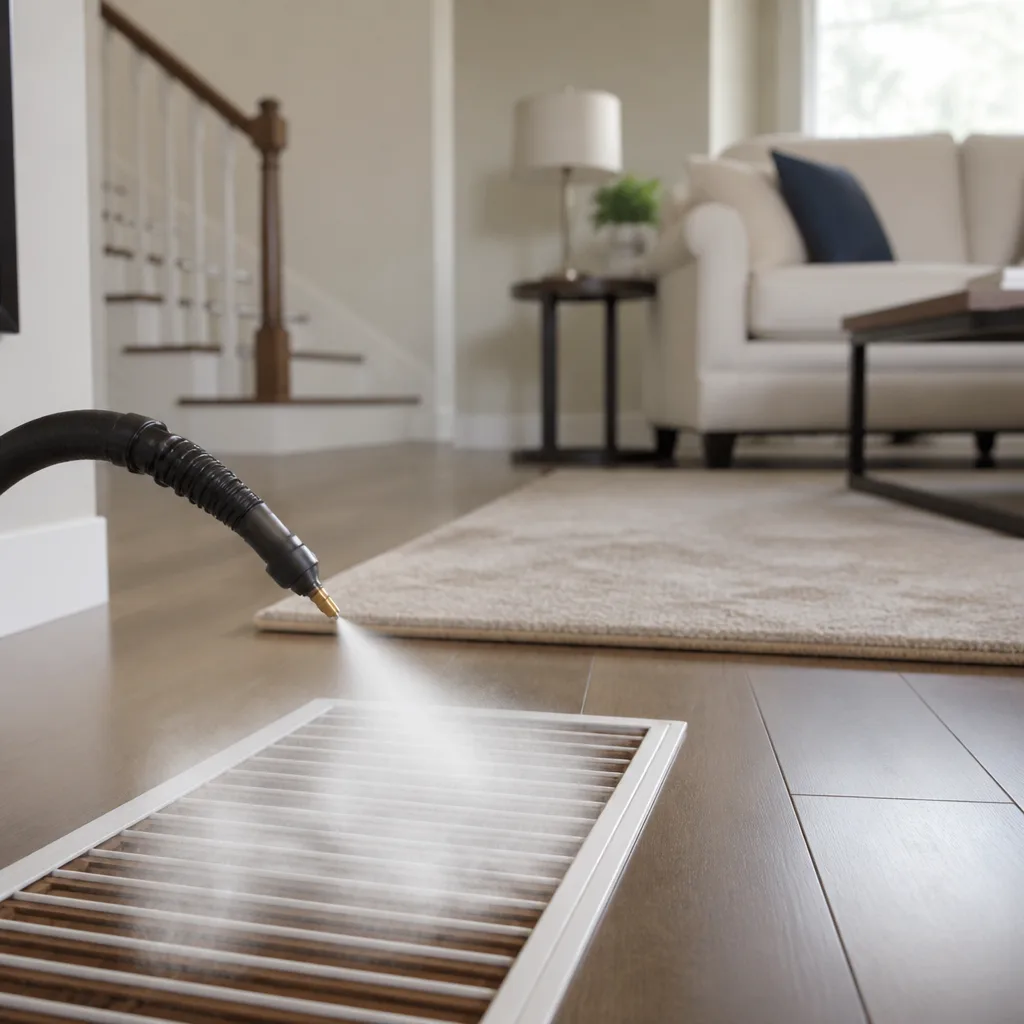 Sanitizing & deodorizing
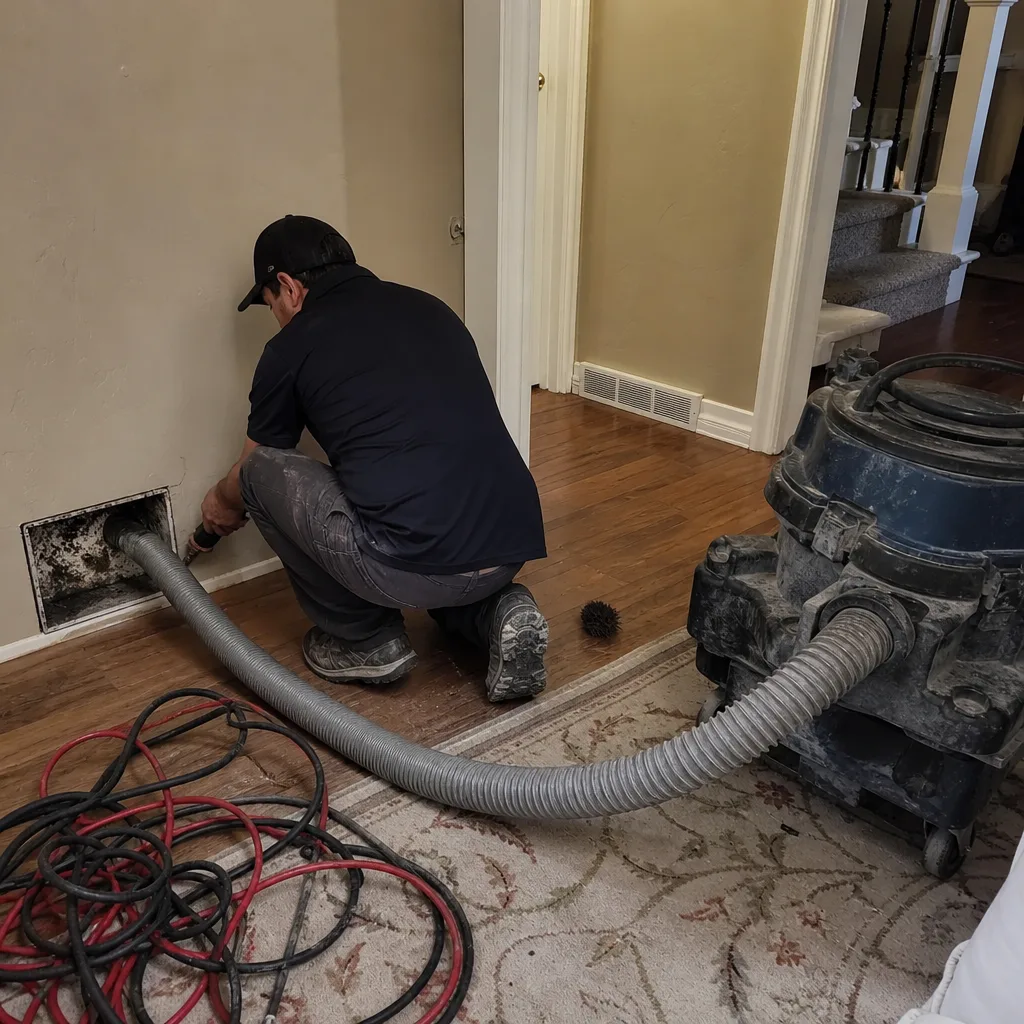
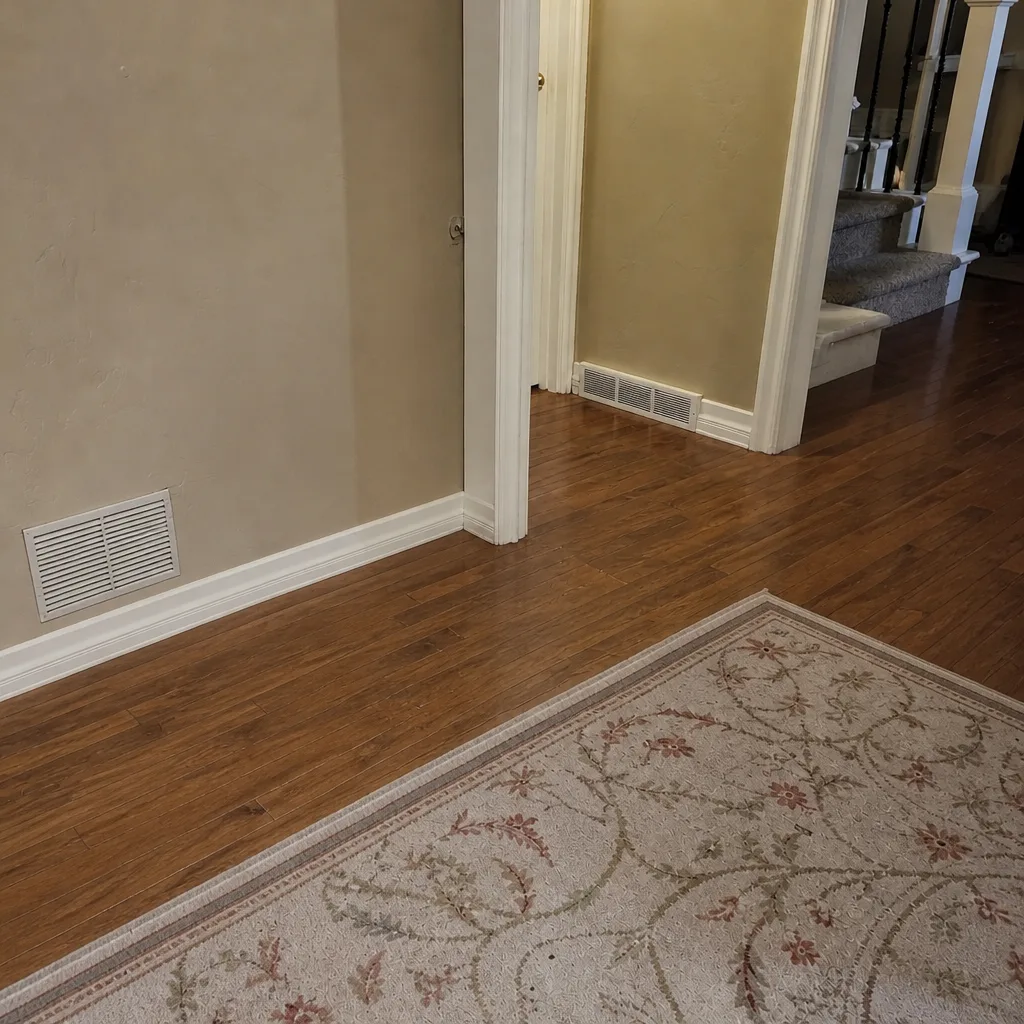
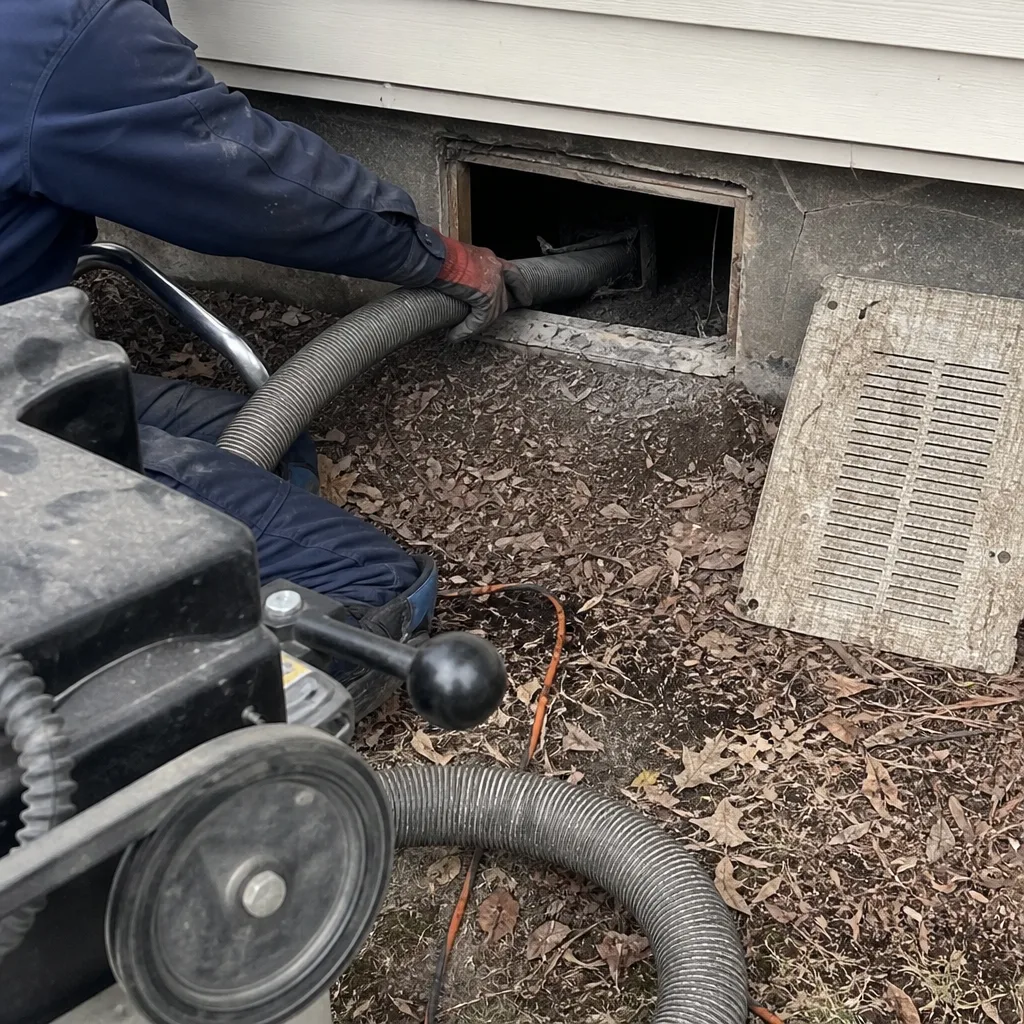
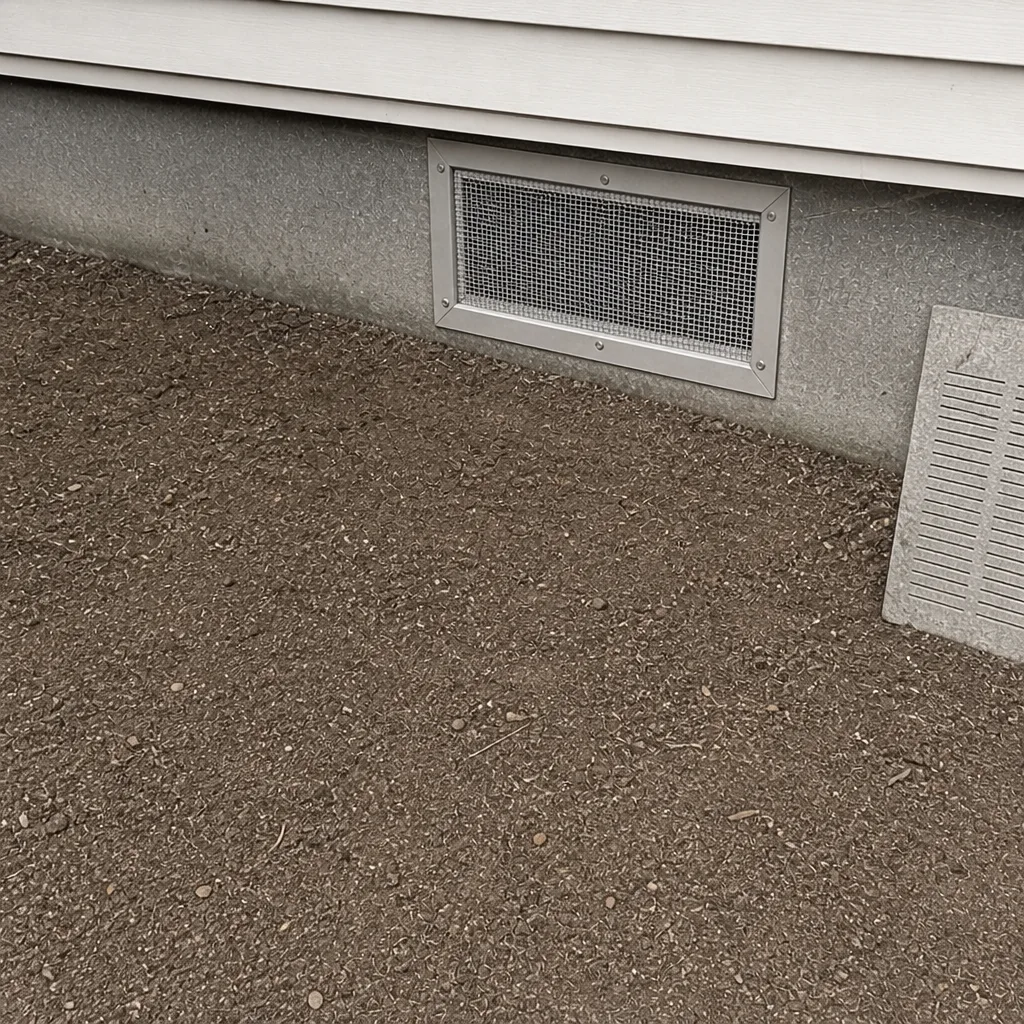
Whole-system duct and dryer vent check with before-and-after photos - you see exactly what came out of your vents
That "$99 whole-house special" is a bait ad - the real number appears once they are in your hallway, or the "clean" is a shop-vac at the register. We photograph the inside of your ducts before and after instead.
DIY vs Professional Air Duct Cleaning: The West Jordan Homeowner’s Decision Guide
Most homeowners who ask about DIY duct cleaning are picturing the wrong problem. They think the question is whether they’re willing to spend a Saturday on a ladder with a vacuum hose. It isn’t. The question is physics: can the equipment you have move enough air, in the right direction, to remove contamination from a sealed system instead of just relocating it. A shop vacuum pulls roughly 50 to 100 CFM of suction at the hose. A commercial duct cleaning unit moves 4,000 to 16,000 CFM through a sealed connection at the air handler. Once you understand that gap, the decision stops being about effort and starts being about airflow. This guide covers what you can absolutely do yourself, what you shouldn’t, and how to tell the difference in a West Jordan home.
Quick Answer
You can clean grilles, registers, and reachable return boxes yourself, and you should. But genuine duct cleaning requires establishing high-volume negative pressure at the air handler before any agitation begins, so dislodged debris is captured and exhausted rather than blown back into the living space. Consumer kits and shop vacuums can’t generate that pressure, which is why whole-system cleaning is a professional job even for a capable DIYer.
Styles & brands we work with
- Whole-home duct cleaning
- Dryer vent cleaning
- Camera inspection
- Sanitizing & deodorizing
Table of Contents
- The Source-Removal Principle: Why Negative Pressure Comes First
- What You Can Legitimately Do Yourself
- When Professional Cleaning Is Non-Negotiable
- Equipment Rental Reality Check: CFM and Reach
- West Jordan Climate, Housing, and Duct Systems
- How to Extend the Interval Between Professional Cleanings
- What Professional Cleaning Typically Costs
- How to Evaluate a Duct Cleaning Provider
The Source-Removal Principle: Why Negative Pressure Comes First
Air duct cleaning only works one way: contamination has to be pulled toward a collection point and removed from the system entirely. That requires the technician to establish strong negative pressure at the air handler before any brush or air-whipping tool enters the ductwork. The vacuum creates a pressure differential that keeps everything suspended in the airstream and headed toward the exhaust, where a HEPA-grade filter captures it.
Get the order backwards and the physics work against you. Agitate dust in a duct with no meaningful vacuum on the system and that dust has to go somewhere. Some settles back into the duct floor. Some drifts into rooms through open supply registers. Some gets pulled into the blower and pushed through the coil. In our experience, this is what’s happening when a homeowner tells us they vacuumed a register and the room smelled worse afterward.
Here’s the sequence a trained technician follows, in order:
- Inspect the system and map the duct layout, including trunk lines, branches, and return pathways.
- Seal supply and return openings in each room so contamination can’t escape into living space.
- Connect a commercial vacuum unit to the main trunk or air handler plenum to establish negative pressure.
- Introduce agitation tools (rotary brushes, air whips, or compressed-air nozzles) from each register, working toward the vacuum.
- Continue until the airstream runs clear, verified visually with a camera or through a view port.
- Clean the air handler components, blower, and coil separately if they’re part of the scope.
- Remove the collection filter and dispose of captured debris outside the home.
That’s the full air pathway approach, and it’s why professional cleaning can’t be reproduced with a shop vac pointed at a floor register. Step 3 is the one that matters most, and it’s the one consumer equipment can’t perform.
What You Can Legitimately Do Yourself
There’s a real and useful role for DIY maintenance, and we don’t want to talk you out of it. What you can do at home covers the accessible, low-risk parts of the system. Done consistently, it makes a measurable difference to dust levels and lets professional cleanings stretch further apart. Here’s the honest scope:
- Grille and register cleaning. Remove the grille cover, wash it in the sink, dry it, and wipe down the visible duct lip. This removes surface dust and any lint film that collects on the face of the grille.
- Accessible return box vacuuming. A large return box under or beside the air handler often collects visible dust and debris. Vacuum what you can reach with a shop vac fitted with a HEPA filter.
- Dryer vent lint removal. Pull the flexible connector behind the dryer, vacuum out the lint trap housing, and clear what you can reach in the transition duct. This is one of the most important maintenance tasks in any home, and it’s also one of the most overlooked.
- Filter changes. Replace the filter on the schedule your filter grade calls for (roughly every 1 to 3 months for standard filters, longer for high-MERV pleated filters rated for a longer interval).
What these tasks accomplish: they keep dust from accumulating at the visible entry points and reduce the load the system has to handle. What they don’t accomplish: they never touch the interior surfaces of the duct runs, the trunk lines, the plenum, or the blower. Those areas hold the contamination that actually affects air quality and efficiency, and they’re physically inaccessible from outside the system. A register wipe-down is maintenance, not cleaning. It’s worth doing, but don’t mistake it for the full job.
When Professional Cleaning Is Non-Negotiable
Some situations move duct cleaning out of the “optional maintenance” column entirely. In these scenarios, DIY work is not only ineffective, it can spread the problem through the house. Here’s when you should call a professional without debating it:
- Post-renovation. Drywall dust, sawdust, and construction grit are fine enough to travel deep into the system and past most filters. Renovation debris in a duct system has to be extracted with commercial airflow, not vacuumed up at the registers.
- Visible mold. Mold inside the duct or on the plenum is a moisture problem first and a cleaning problem second. A qualified professional needs to trace the source of the moisture and clean the affected runs, and that work involves protective equipment and sanitizing agents (we use Guardsman-grade products) that shouldn’t be handled casually.
- Rodent evidence. Droppings, nesting material, or an odor that won’t clear is a signal the system needs to be cleaned and possibly sanitized, with proper containment so contamination isn’t disturbed into the living space.
- System-wide odor. A persistent smell that appears in every room but can’t be traced to a source usually means something has entered the ductwork and needs to come out.
- Occupants with respiratory conditions. Homes with asthma, allergies, or immune concerns warrant professional cleaning to reduce airborne particulate load, and that’s not a job to improvise.
In our experience, the homeowner who tries to handle these categories with a rented shop vac usually ends up calling us afterward, and the job takes longer because contamination has spread. If any item on this list applies to your home, professional cleaning is the right call. You can read more about how our air duct cleaning process handles these scenarios.
Equipment Rental Reality Check: CFM and Reach
Hardware stores around West Jordan do rent out duct cleaning kits, and some sell consumer-grade brush-and-hose attachments. It’s worth understanding exactly what those tools can and can’t do before you rent one.
Consumer kits typically consist of a flexible hose with a small brush head, attached to a shop vac. The vacuum generates 50 to 100 CFM at the hose, sometimes a bit more depending on the model. Reach is usually 10 to 20 feet from the register, and that’s with the hose pushed straight and unobstructed. In a real duct run, the hose has to navigate corners, transitions, and insulation, which cuts effective reach well below the advertised figure. Some kits include a small camera or a length of semi-rigid rod, but neither solves the airflow problem.
What that means in practice:
- The hose reaches the first 10 to 20 feet of the run, not the full length.
- Suction is far too low to maintain negative pressure across the system.
- Any debris the brush loosens has no reliable collection point and can settle back into the duct or drift into the room.
- The interior of trunk lines, the plenum, and the blower are completely out of reach.
Commercial equipment is a different category entirely. Rotobrush systems, which we operate, are designed to seal the duct, agitate the interior with rotary brushes and air whips, and pull contamination toward a HEPA-filtered vacuum rated in the thousands of CFM. Nikro units serve a similar purpose for air movement and filtration. Abatement Technologies equipment, standard in environmental remediation, is what we bring on-site for containment and air filtration. The gap between a rented kit and this class of equipment isn’t incremental; it’s a different order of magnitude.
West Jordan Climate, Housing, and Duct Systems
West Jordan sits in the Salt Lake Valley, which shapes how duct systems perform here in ways that matter for cleaning decisions. Two local factors stand out.
The first is seasonal dust and inversion weather. Through the summer and into the early fall, valley dust is a constant presence, and winter inversion periods trap fine particulate in the air for weeks at a time. That particulate is what your return air and filter are dealing with, and duct interiors collect it steadily. Homes in West Jordan with standard 1-inch filters tend to need more frequent filter changes than a filter manufacturer’s recommendation alone would suggest, because the ambient particle load is higher through much of the year.
The second is the housing stock itself. Much of West Jordan’s housing was built during a run of residential construction where flex duct was common, especially in attic runs and branch lines to individual rooms. Flex duct is harder to clean than rigid sheet-metal ducting. Its ribs trap debris, its inner liner can sag or tear, and agitation tools have to be used carefully to avoid damaging it. That’s one reason we inspect before we clean. Ductwork that’s damaged, disconnected at a joint, or leaking needs to be repaired and sealed before cleaning is meaningful, and our West Jordan Air Duct Cleaning team handles both in one visit so the system comes out sealed and clean rather than just clean.
If you have an older home with a basement or crawlspace, or a newer build in one of the western West Jordan subdivisions, the duct layout and materials will differ enough that a quick inspection before any work is done is the right first step, whether that work is yours or ours.
How to Extend the Interval Between Professional Cleanings
The most useful way to think about DIY and professional cleaning is that they aren’t competitors. DIY maintenance done consistently pushes out the interval between full cleanings, and it keeps the system functioning between professional visits. Here’s a maintenance schedule you can build around.
Monthly: Replace standard filters (every 1 to 3 months depending on filter type), vacuum accessible return boxes, and dust the visible grille faces in high-traffic rooms.
Quarterly: Remove and wash grille covers, check the dryer transition duct for lint buildup, and run your hand along accessible flex duct in the attic or basement to check for obvious tears or disconnections.
Annually: Have the system inspected if you’ve done significant renovation, noticed new dust patterns, or have had pest activity. This is also the right time for dryer vent cleaning, which is a safety issue more than a maintenance preference, and for a look at whether the air handler itself needs attention.
Every 3 to 5 years for most homes: A full professional cleaning, adjusted based on your home’s dust load, whether you have pets, and whether anyone in the home has respiratory concerns. Homes with high ambient dust, pets, and recent renovation may need it more often; homes with clean air, new filtration, and no pets can stretch to the longer end.
Consistent DIY maintenance is also how you get the most out of a professional cleaning. The system starts the interval cleaner, so it stays clean longer. And when you do call, the technician is focused on the interior of the system, not on 12 months of accumulated register dust.
What Professional Cleaning Typically Costs
Cost is usually the reason the DIY question comes up at all, so let’s be direct about it. Full-system professional cleaning usually costs more than a homeowner expects and less than a full HVAC replacement, and the actual figure depends on system size, number of runs, accessibility, and whether duct sealing or sanitizing is included. Here’s a rough structure of what’s typically involved:
- Inspection and system mapping: usually bundled into the cleaning estimate, not charged separately.
- Full duct cleaning (supply, return, and trunk): the largest line item, varying with the number of registers and the length of runs.
- Air handler and blower cleaning: often a separate scope from the ductwork itself.
- Duct repair and sealing: priced per affected section, based on what the inspection finds.
- Sanitizing treatment: sometimes included, sometimes added based on what’s found.
We don’t publish coupon pricing or per-vent teasers, because those numbers don’t survive contact with a real system. A 12-register home with rigid ducting and good access is a different job than a 20-register home with attic flex duct that needs repair. What we offer is one flat price per system, agreed in writing before any work starts, plus before-and-after photos of your own ducts. That’s the honest way to price this work, and it’s the reason we don’t quote over the phone.
For an exact quote on your West Jordan home, call (877) 302-8330. Estimates are free. We answer 24/7. Fast dispatch from 7am to 7pm, Sunday through Friday.
How to Evaluate a Duct Cleaning Provider
If you’ve decided professional cleaning is the right path, the next question is which company to call. This industry has a reputation problem for a reason: teaser pricing, incomplete work, and technicians who clean the trunk line and skip the branches. Here’s what to look for.
- Ask what equipment they use. A provider operating Rotobrush or Nikro systems, or similar commercial-grade equipment, is working at a different level than one with a shop vac and a brush. Ask about CFM and HEPA filtration.
- Ask about containment. A professional process keeps contamination out of the living space throughout the job. Abatement Technologies-grade filtration is a sign the company treats this as environmental work, not surface maintenance.
- Ask about duct repair and sealing. Cleaning a leaking duct system is a partial fix. A company that can also repair and seal the ductwork is addressing the root cause, not just the symptoms.
- Ask about air-quality systems. If you have a Honeywell or Aprilaire filtration or humidity system, the technician should understand it. A company familiar with these systems knows how the ductwork interacts with whole-home air quality, not just how to vacuum a run.
- Insist on a written price before work begins. One flat price per system, not a low coupon that becomes a much larger invoice once the truck is in the driveway.
- Ask for before-and-after photos. You should see evidence the work was actually done, in your own home, not a company stock photo.
That list is also a fair description of how we operate. We built our process around the fact that homeowners have been burned by this industry and deserve to see what they’re paying for. Our technicians have up to 10 years of experience, and they work with commercial-grade equipment brought to your home.
Common Mistakes to Avoid
There are a handful of mistakes we see West Jordan homeowners make around duct cleaning, and most of them cost more in the long run than they save.
- Buying a coupon and expecting a full system clean. A low teaser price almost always covers one component, usually the trunk line or a partial number of registers, not the full system. By the time the tech is on site, the real job costs far more than the coupon implied. Ask for a written, per-system price instead.
- Vacuuming the system without sealing the returns. Running a shop vac at a supply register while every other register stays open means your suction is spread across the entire system. You’ll pull almost nothing. If you attempt any DIY cleaning, seal the other openings first.
- Skipping the dryer vent because the duct cleaning covered it. Standard duct cleaning service may not include the dryer vent, and a lint-clogged dryer vent is a fire risk. Treat it as a separate annual task. Our dryer vent cleaning service handles it, and it’s worth scheduling separately from duct cleaning.
- Ignoring visible mold on the grille or duct lip. Wiping surface mold with a household cleaner removes the visible mold but leaves the moisture source and the spores deeper in the system. Treat it as a sign to have the system inspected.
- Having ducts cleaned without repairing obvious leaks. A leaking duct pulls attic or crawlspace air into the system and recontaminates it within weeks. Cleaning and sealing belong together. If your provider can’t repair and seal, the cleaning is incomplete.
- Using high-MERV filters without checking the blower rating. A filter that’s too restrictive for the blower can cut airflow and strain the system, which shortens equipment life. Match the filter to the equipment, not to the filter’s marketing claims.
- Renting a consumer kit and expecting commercial results. The CFM gap between a rented kit (50 to 100 CFM) and professional equipment (4,000 to 16,000 CFM) isn’t something a longer hose or a more determined afternoon can close.
See the difference
 Before
 After
 Before
 After
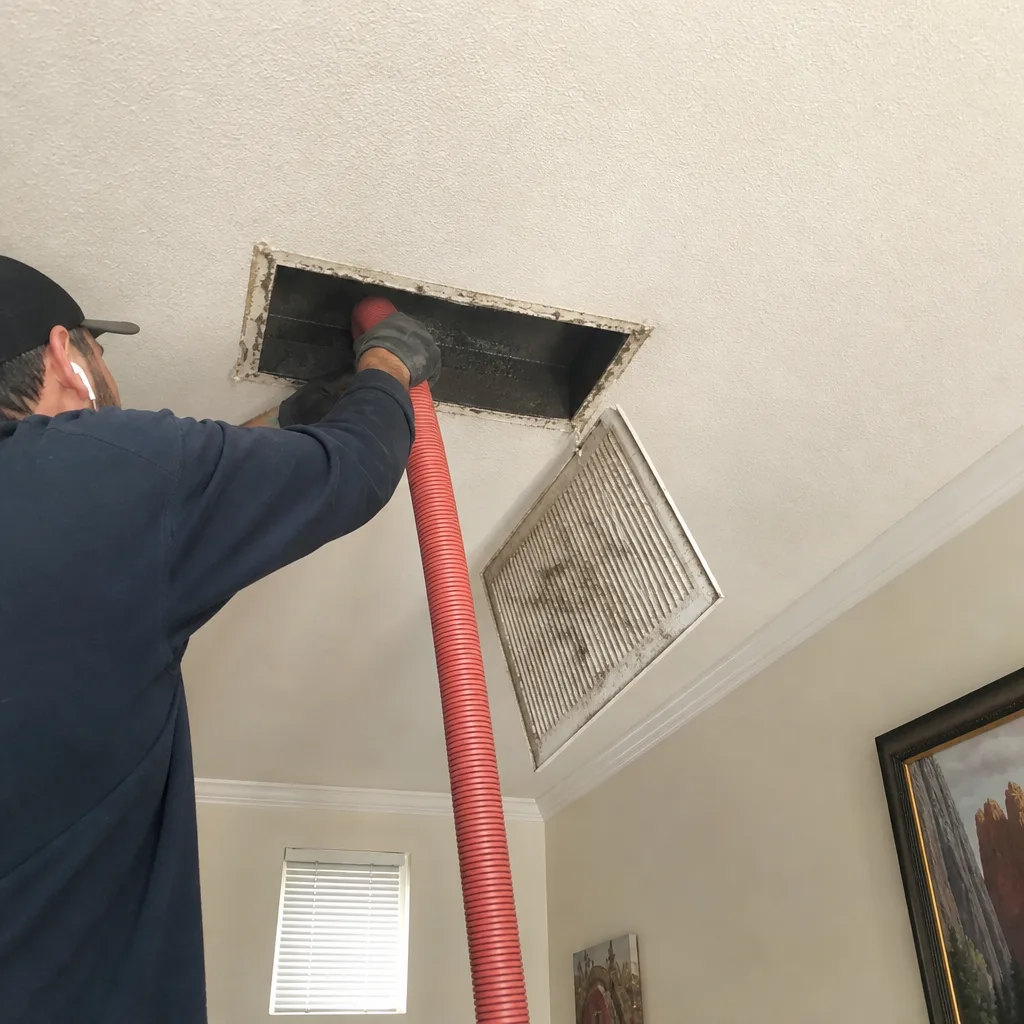 Before
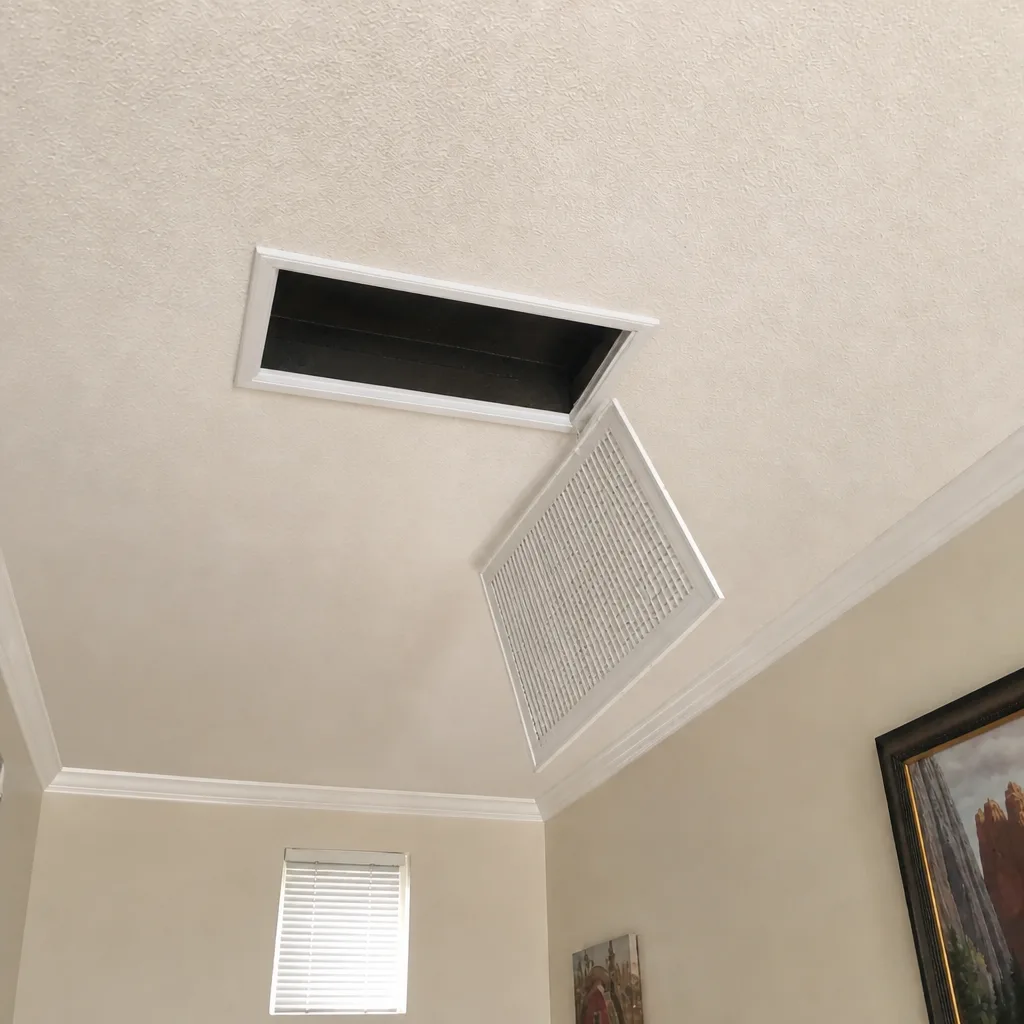 After
When to Call a Professional
Call a professional when the situation is one of the non-negotiable ones above: post-renovation cleanup, visible mold, rodent evidence, system-wide odor, or a home with occupants who have respiratory concerns. Call if you’re buying or selling a home and the inspection flagged the HVAC system. Call if your energy bills have climbed without an obvious explanation, since a leaking, contaminated duct system can push up run time. And call if you’ve attempted a DIY cleaning with a rented kit and noticed the problem got worse instead of better.
West Jordan Air Duct Cleaning offers free estimates in West Jordan. Call (877) 302-8330. We answer 24/7. Fast dispatch from 7am to 7pm, Sunday through Friday. A call outside dispatch hours is booked into the next opening.
Frequently Asked Questions
You can clean grilles, registers, and reachable return boxes with a shop vac, but you can’t clean the interior of a duct system. A shop vac generates roughly 50 to 100 CFM of suction, far too little to establish the negative pressure needed to capture dislodged debris, so agitation usually redistributes contamination rather than removing it. Call (877) 302-8330 for a free estimate if you’re unsure whether your system needs professional attention.
Full-system cleaning in West Jordan usually falls into a range determined by register count, duct material, accessibility, and whether repair, sealing, or sanitizing is included. We don’t quote a single number over the phone because we’d be guessing, and we don’t publish a teaser coupon. You get one flat price per system in writing before work starts, plus before-and-after photos. Call (877) 302-8330 for an exact quote on your home.
Cheap quotes are almost always narrower in scope than they appear. A low teaser price typically covers one portion of the system, a partial register count, or a trunk-only pass, with the rest as an upsell once the technician is on site. A quote that seems too good usually is, because full-system cleaning with commercial equipment, containment, and proper filtration has a real cost. Call (877) 302-8330 and we’ll tell you honestly whether your home needs a smaller scope or a full one.
Ask for before-and-after photos of your own ducts, taken during the job. Any provider should be willing to show you what came out of the system and what the interior looks like after cleaning. If a company won’t provide evidence, treat that as a reason to keep looking. Call (877) 302-8330 to see how we document our work with photos.
Most West Jordan homes do well with professional cleaning every 3 to 5 years, with annual filter changes and DIY register maintenance in between. Homes with pets, recent renovation, high dust exposure through inversion season, or occupants with respiratory conditions may need it more often. An inspection will tell you more than a general rule. Call (877) 302-8330 for a free estimate if you’re due.
The air handler, blower, and coil are part of the same air pathway as the ducts, and contamination in one affects the others. Cleaning the ducts while leaving a fouled blower and coil in place means the system reintroduces particulate into clean ductwork almost immediately. Our HVAC cleaning covers the equipment side so the whole pathway is clean, and the team can tell you during inspection whether both scopes are needed. Call (877) 302-8330 to schedule an inspection.
The Bottom Line
DIY duct maintenance is worth doing, but it isn’t the same thing as duct cleaning. You can keep grilles, registers, and reachable return boxes clean, and you can stay on top of filters and dryer vents. You can’t generate the negative pressure a full system clean requires, and you can’t reach the interior of the duct runs. The two approaches work best together: DIY maintenance between professional cleanings extends the interval and gets more value out of each one. If your home falls into one of the non-negotiable categories, don’t improvise. One flat price per system, before-and-after photos, and professional-grade equipment, that’s what a real cleaning looks like. Call (877) 302-8330 for a free estimate. We answer 24/7. Fast dispatch from 7am to 7pm, Sunday through Friday.
Written by the team at West Jordan Air Duct Cleaning.