
Last updated November 24, 2026
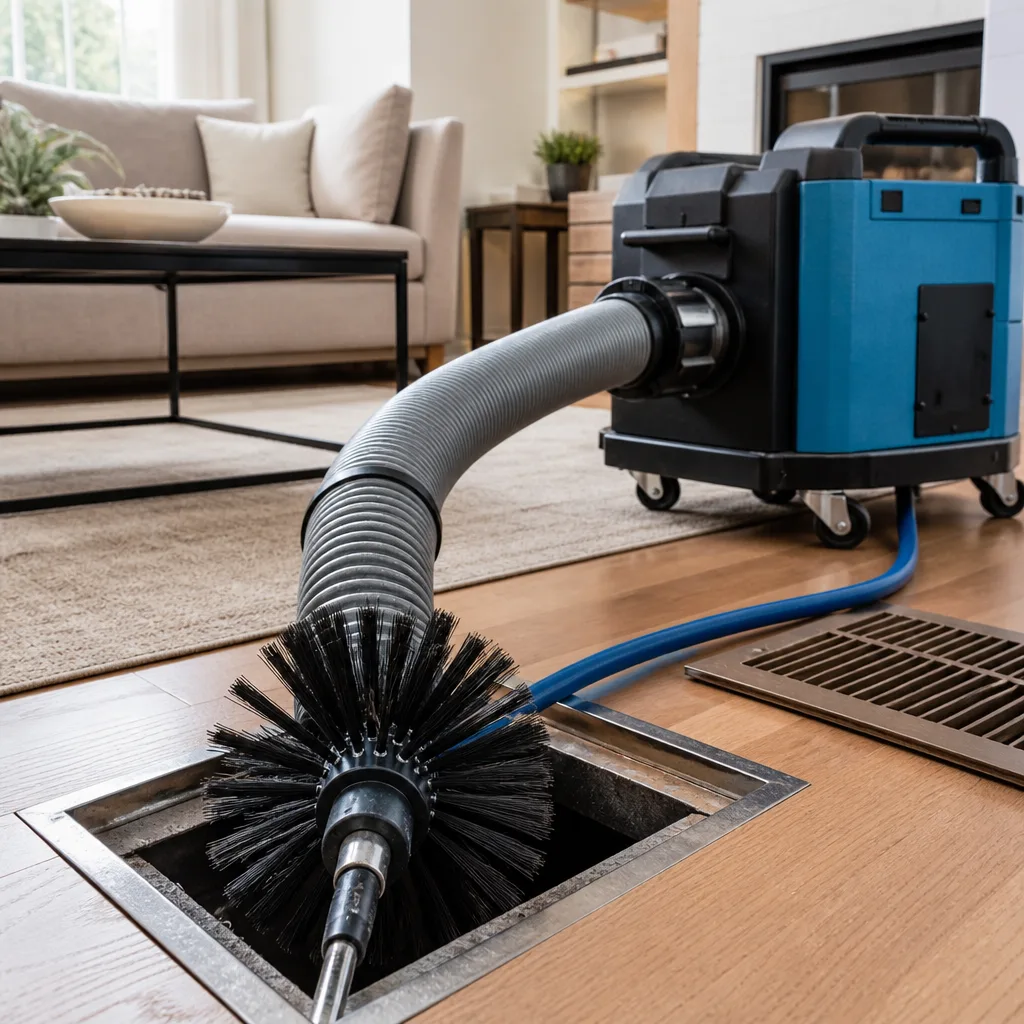 Whole-home duct cleaning
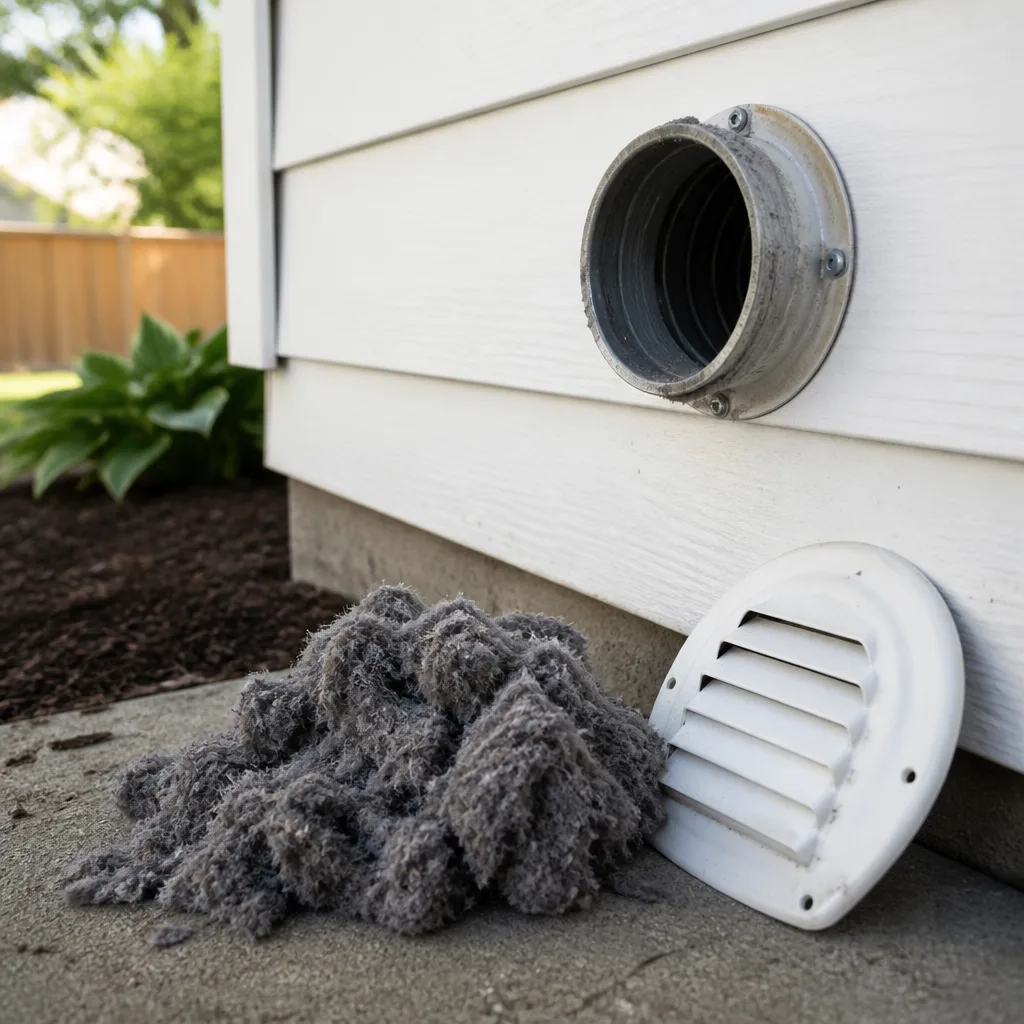 Dryer vent cleaning
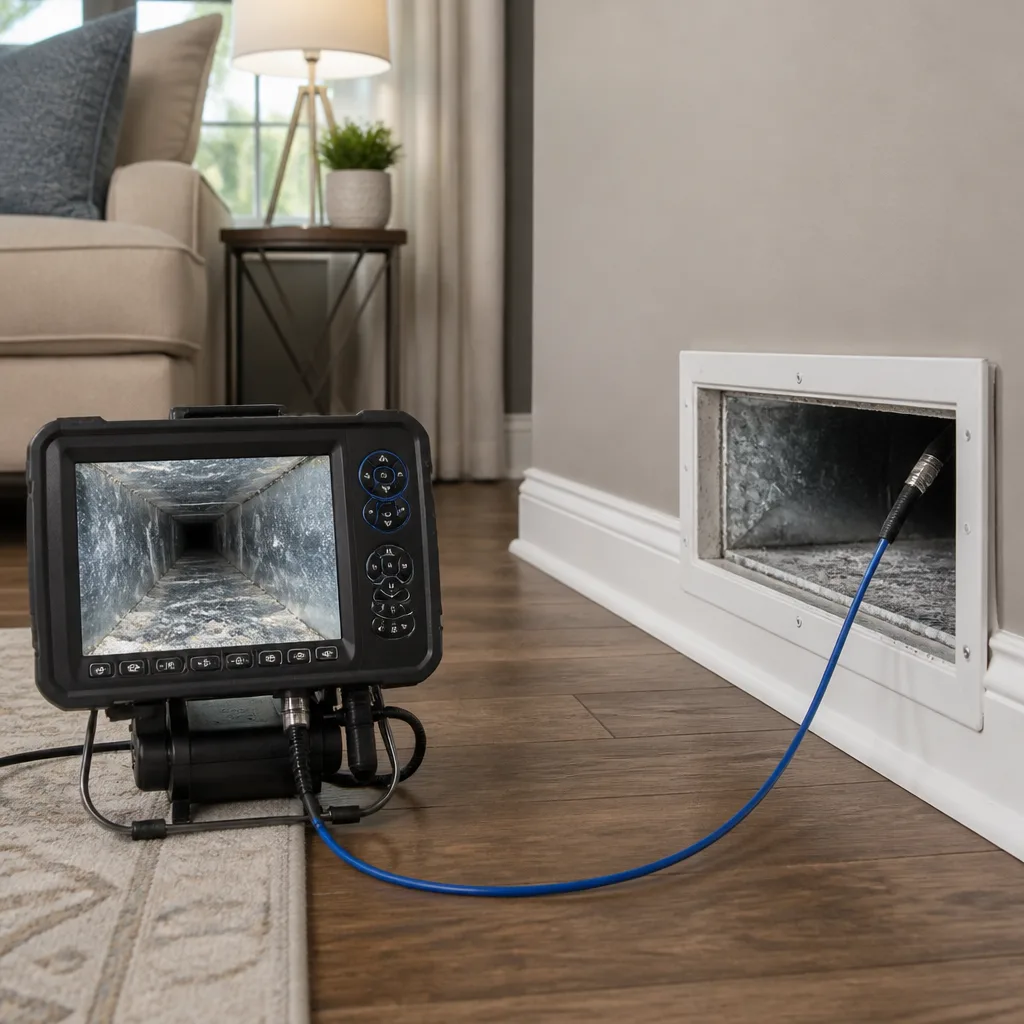 Camera inspection
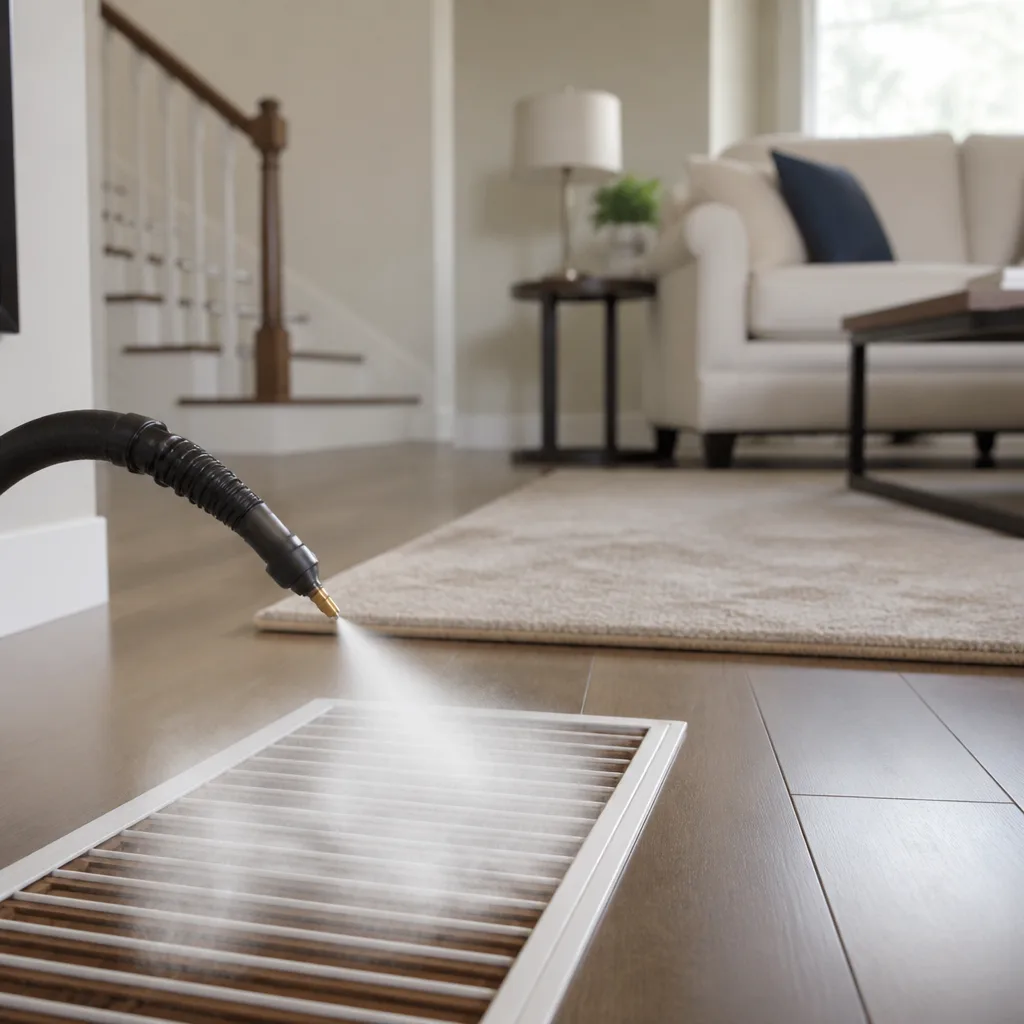 Sanitizing & deodorizing
Whole-system duct and dryer vent check with before-and-after photos - you see exactly what came out of your vents
That "$99 whole-house special" is a bait ad - the real number appears once they are in your hallway, or the "clean" is a shop-vac at the register. We photograph the inside of your ducts before and after instead.
How to Hire an Air Duct Cleaning Contractor in West Jordan: A Step-by-Step Guide
Most homeowners assume the hard part of hiring an air duct cleaner is finding someone with a certification. It isn’t. Utah has almost no licensing barrier for this trade, so just about anyone with a vacuum and a business license can advertise tomorrow. The harder question is which credentials actually signal real equipment investment and training, and which ones are just a registration fee with a logo attached. This guide gives you a technical vetting framework: what a legitimate contractor shows up with, the exact questions that separate a real cleaning from a surface pass, and the red flags we see in the West Jordan market.
Quick Answer
To hire an air duct cleaning contractor in West Jordan, verify three things before you book: the negative-pressure equipment (a truck-mounted unit or high-CFM portable), the cleaning method (rotary brush or air whip, not just a vacuum hose), and whether the written scope covers the air handler, plenums, and both supply and return lines. Ask for camera footage before and after. If a contractor can’t answer those three questions specifically, keep looking.
Styles & brands we work with
- Whole-home duct cleaning
- Dryer vent cleaning
- Camera inspection
- Sanitizing & deodorizing
Table of Contents
- Why Utah’s licensing gap makes vetting harder
- The equipment a legitimate contractor must arrive with
- The five questions to ask before booking
- Red flags specific to the West Jordan market
- How to verify a quote covers the full system
- What West Jordan’s valley climate means for your ducts
- What a legitimate post-service report includes
- What a typical job looks like, start to finish
Why Utah’s Licensing Gap Makes Vetting Harder
Air duct cleaning isn’t a licensed trade in most states, and Utah is no exception. There’s no state board exam, no journeyman progression, no requirement to prove you own commercial equipment. That means the certification badges on a contractor’s website deserve a closer look than most homeowners give them.
NADCA membership, for example, runs a company roughly $800 a year. That’s not nothing, and it does screen out the fly-by-night operator who’s cleaning ducts this month and flipping houses the next. But $800 is a low enough bar that it doesn’t guarantee the member owns equipment sized for the job. A company can be a dues-paying member and still arrive with a consumer-grade shop vac that was never designed to move commercial volumes of air.
So the real question isn’t “are they certified?” It’s “which certification, and what does it actually require?” Here’s how to frame it:
- Membership dues signal basic business legitimacy and a willingness to be held to a code of ethics. Useful, but not proof of capability.
- Equipment and training standards signal that a contractor has invested in the tools and know-how to do a full cleaning on a residential system without cutting corners.
- Third-party inspection or verification signals accountability beyond self-reporting.
In West Jordan, the practical takeaway is that you should trust equipment and process questions more than badge counts. A contractor with no logos but a real negative-pressure unit and camera footage is a safer bet than one with three certifications and a shop vac. We’ve seen both in this market.
The Equipment a Legitimate Contractor Must Arrive With
This is the single most useful filter you can apply. A proper duct cleaning requires equipment that most homeowners never see, and if it isn’t on site, the cleaning isn’t happening. Here’s what to look for in the driveway.
- A negative-pressure unit. Either a truck-mounted vacuum or a high-CFM portable machine. This is the engine of the whole job. It puts the duct system under negative pressure so loosened debris gets pulled out rather than blown into your living room. Ask for the CFM rating. If they can’t tell you, that’s your answer.
- Agitation tools. A rotary brush or air whip. Vacuum alone only grabs what’s loose near the register. A rotary brush scrubs the duct walls; an air whip uses compressed air to knock debris off surfaces and push it toward the vacuum. Without one of these, you’re paying for a surface pass.
- Camera inspection gear. A borescope or duct camera lets the technician see inside the system and, critically, lets you see it too. Before-and-after footage is the difference between a claim and proof.
- Containment and filtration. Environmental-remediation-grade air filtration, like Abatement Technologies units, keeps dust out of your home during the work. A contamination-conscious process uses this; a basic one doesn’t.
- Access tools for the air handler. A technician who can open the air handler cabinet, clean the blower, and clean the evaporator coil is doing the whole job. One who won’t touch it is doing the easy half.
When we bring Rotobrush and Nikro systems to a West Jordan home, we’re bringing the same grade of equipment used in commercial settings. That’s the standard to hold any contractor to, no matter whose name is on the invoice.
The Five Questions to Ask Before Booking
Ask these on the phone, before anyone schedules. A contractor who knows their equipment will answer them in seconds. One who doesn’t will get vague or change the subject, which tells you everything.
- “What’s your CFM rating?” CFM is cubic feet per minute, the measure of how much air the vacuum moves. High CFM under negative pressure is what makes the cleaning work. A specific number is a good sign; “it’s plenty strong” is not.
- “Do you clean the air handler cabinet and blower?” The air handler is where the air you breathe passes the blower and coil. Skipping it leaves the dirtiest part of the system untouched. The answer should be yes, and it should be in the written scope.
- “Will you show me camera footage before and after?” This is your proof of work. A contractor who does this by default is confident in the result. One who hedges or says footage “isn’t really necessary” is telling you something.
- “Is the quote per system or per vent?” Per-vent pricing is the classic bait-and-switch: a low headline number that grows with every register in the house. A flat price per system agreed before work starts protects you from the surprise.
- “Does the scope include supply lines, return lines, and plenums?” Those three, plus the air handler, are the full air pathway. A quote that covers only the visible trunk lines is a partial job dressed up as a full one.
Jot the answers down. The written estimate should match what you were told on the phone, and if it doesn’t, that’s the moment to ask why.
Red Flags Specific to the West Jordan Market
West Jordan is a big, fast-growing suburb with a lot of newer housing stock and a lot of contractors competing for the same work. That competition is good for you, but it also produces a few patterns worth recognizing.
- A flat-rate price that seems too low. If a headline price looks suspiciously cheap for a whole-house system, it’s often a per-vent model in disguise. The low number gets the technician in the door; the invoice grows once the vents are counted.
- No written scope of work. A legitimate contractor puts the scope in writing before the job: which components, which methods, flat price per system. Verbal-only agreements leave you with nothing to hold anyone to.
- Refusal to access the air handler. If a contractor says the air handler “isn’t part of duct cleaning,” they’re either unequipped or unwilling. Either way, the dirtiest part of the system stays dirty.
- No camera. A contractor with no inspection capability can’t show you what they cleaned. You’re paying on faith.
- Consumer-grade equipment. A shop vac in a truck bed, or a portable unit with no CFM spec, is the tell. On a system the size of a typical West Jordan home, that equipment simply can’t move enough air.
- Pressure to book immediately. Real contractors don’t need a same-call close. A quote should survive a night’s sleep.
One more thing for this market: as the city has grown across the valley floor, a lot of new construction has gone up fast. Builders don’t always seal duct joints well, and flex duct runs can sag or tear. A contractor who only cleans around that problem, rather than flagging it, is doing half the job. Duct repair and sealing is the fix for structural issues; cleaning is maintenance. You want a contractor who can tell the difference.
How to Verify a Quote Covers the Full System
A duct cleaning quote is only meaningful if you know exactly what’s included. “Duct cleaning” can mean a whole-house system or just the trunk lines a technician can reach easily, and the price won’t tell you which. Pull the estimate apart line by line.
Ask the contractor to confirm, in writing, that the scope covers:
- Supply lines. Every run from the plenum to the registers feeding your rooms.
- Return lines. The runs pulling air back to the air handler, often the dirtiest because they carry the return air.
- Plenums. The main distribution boxes on the supply and return sides of the air handler.
- The air handler cabinet and blower. The blower wheel and the coil, cleaned where accessible.
- Registers and grilles. Removed and cleaned, not just vacuumed in place.
Then check the reporting. A contractor who quotes the full system and offers before-and-after camera footage in the same breath is giving you a quote you can actually verify afterward. If the plumbing analogy helps: cleaning only the visible trunk lines is like snaking a drain but skipping the branches. The main line is clear; the rooms still aren’t.
One flat price per system, agreed before work starts, is the model that protects you. If a quote splits the job into add-ons, ask for the whole-system number and get it in writing.
What West Jordan’s Valley Climate Means for Your Ducts
West Jordan sits in the Salt Lake Valley, which is a genuinely hard place on indoor air. The valley’s winter inversions trap cold, still air at the surface, and that trapped air holds particulates from wood smoke, vehicle exhaust, and dust until a storm clears it. When the outside air is bad, your HVAC system is the thing moving air through your house, and a dirty duct system recirculates what settles inside it.
The climate also drives long heating and cooling seasons. Furnaces and air conditioners in West Jordan run hard through both, which puts more air volume through the ducts over a year than a milder climate would. Dust, pet hair, and construction debris accumulate faster, and the system’s own efficiency drops as airflow gets restricted.
That’s why cleaning intervals here should be based on how the system looks and runs, not a calendar rule of thumb. Signs to watch:
- Visible dust puffing out of a register when the system kicks on.
- Dust settling on furniture faster than it used to.
- Rooms that never quite heat or cool evenly.
- Rising energy bills without a change in habits.
- A musty smell when the air comes on.
- Recent remodeling, which pushes drywall dust through the whole system.
If two or more of those sound familiar, it’s time to book an inspection, not wait for a reminder. A contractor with camera capability can look inside and tell you whether cleaning is warranted. That’s the honest starting point.
What a Legitimate Post-Service Report Includes
Verbal assurance after the job is worth roughly nothing. The whole point of hiring a contractor with camera equipment is that the work can be documented, and a legitimate one documents it as a matter of course. A complete post-service report includes:
- Before-and-after camera footage of the main runs, plenums, and air handler, so you can see what changed.
- A written summary of the components cleaned, matching the scope on the estimate.
- Findings and recommendations. If the technician found torn flex duct, separated joints, or a coil that needs attention, it should be in writing with a note on what to do about it.
- A record of the date and services performed, useful for warranty, resale, or the next inspection.
Ask for the footage. A contractor who photographs their own work expects to be asked, and a contractor who doesn’t have it will make excuses. That’s the moment you learn the most.
What a Typical Job Looks Like, Start to Finish
Knowing the sequence helps you ask better questions and spot a shortcut. A full-system cleaning on a West Jordan home generally runs in this order:
- Walk-through and inspection. The technician maps the system, counts registers and returns, locates the air handler, and checks for access issues or visible damage.
- Camera inspection. The duct camera goes into the main runs and air handler to establish the starting condition and identify problem spots.
- Setup and containment. The negative-pressure unit connects to the main trunk, and containment keeps dust from migrating into the living space during the work.
- Agitation and cleaning. Rotary brush or air whip works each run, supply and return, while the vacuum pulls loosened debris out of the system.
- Air handler and coil. The cabinet opens, the blower is cleaned, and the accessible coil is cleaned.
- Sealing and repair, if needed. Torn flex, separated joints, or gaps get repaired and sealed so the system holds air where it should.
- Post-service camera inspection and report. The technician re-inspects, captures after footage, and documents the work.
- Optional air quality treatment. Filtration and humidity components, like those in Honeywell and Aprilaire systems, may be checked or serviced as part of an air quality and sanitizing step.
The scope of a full job reaches every part of the pathway: air duct cleaning, dryer vent cleaning, and HVAC cleaning all draw on the same equipment and the same full-system mindset. The company that can handle all of it in one visit tends to be the one that owns the equipment to do it.
Common Mistakes to Avoid
- Hiring on price alone. The cheapest quote in West Jordan is often the per-vent model: a low headline price that grows once the technician is on site and counting vents. Ask for a whole-system number instead.
- Skipping the air handler. Cleaning ducts but not the blower and coil leaves the dirtiest surfaces untouched. Insist on it in the written scope.
- Not asking for camera footage. Without before-and-after documentation, you have no way to verify the work was done to the standard you paid for. Ask on the phone.
- Accepting a verbal scope. A written scope of work protects you if the job falls short. Get the components, methods, and flat price in writing.
- Assuming a national brand is a local installer. Franchise names don’t guarantee the equipment on the truck. Ask about the specific machine that will show up at your house.
- Ignoring a duct repair recommendation. If the technician flags torn flex or separated joints and you clean around them, the new clean ducts leak and re-soil quickly. Fix the structure, then clean.
- Waiting for a “reminder.” No reputable contractor will cold-call you about your ducts. Clean on condition and signs, not a calendar mailer.
See the difference
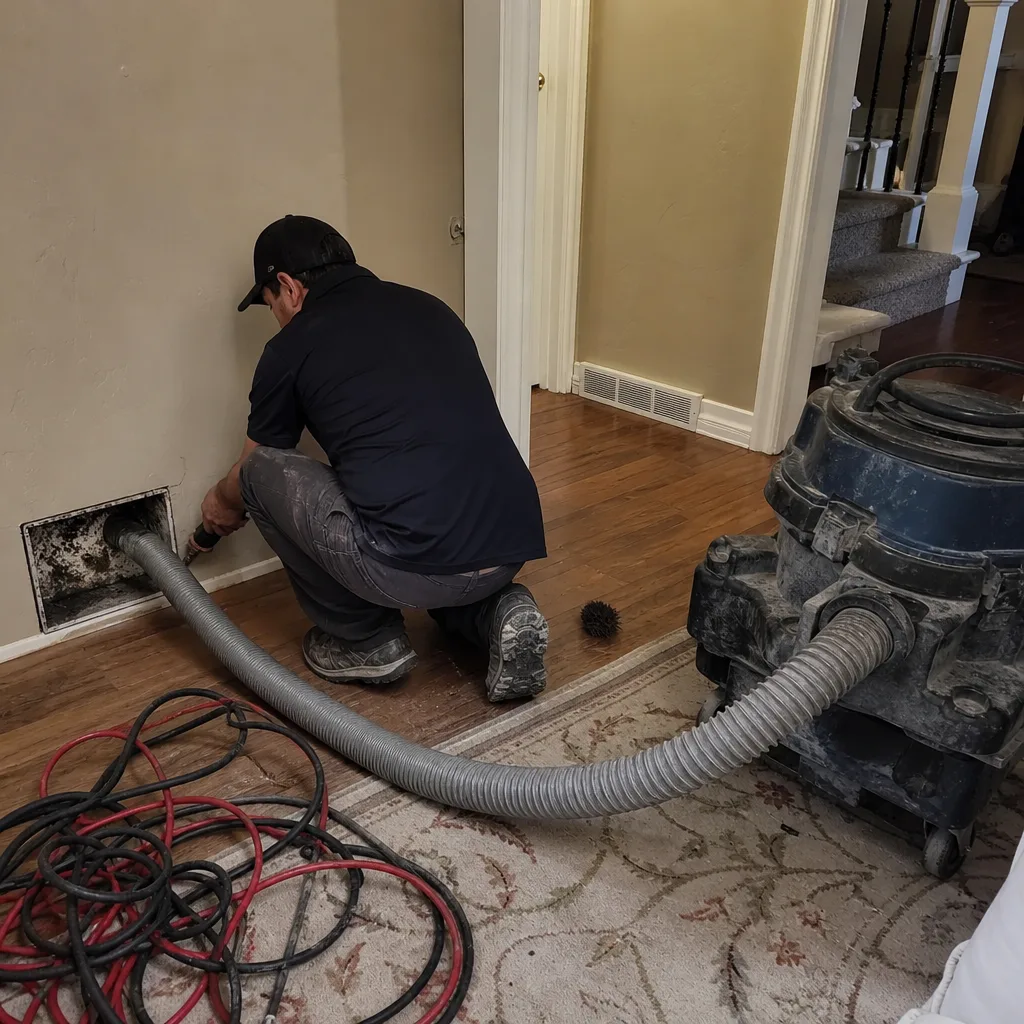 Before
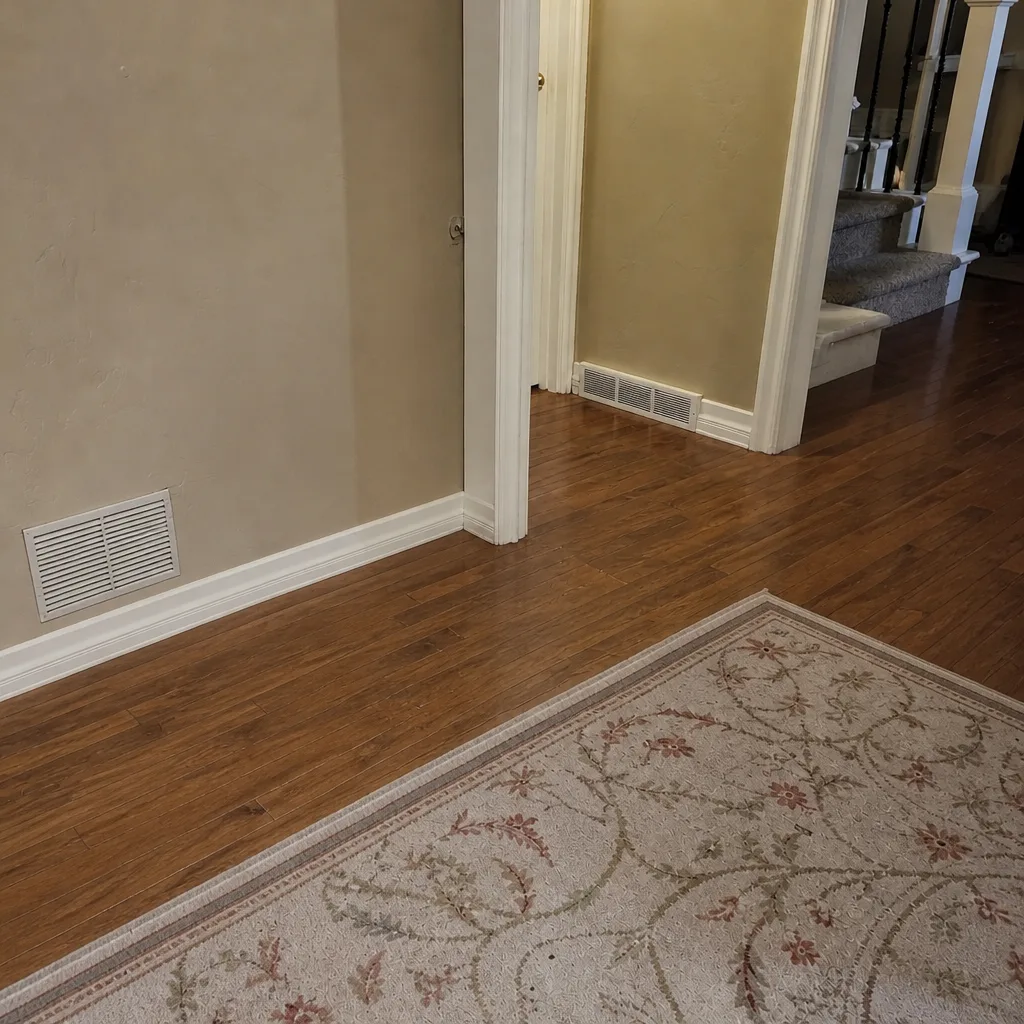 After
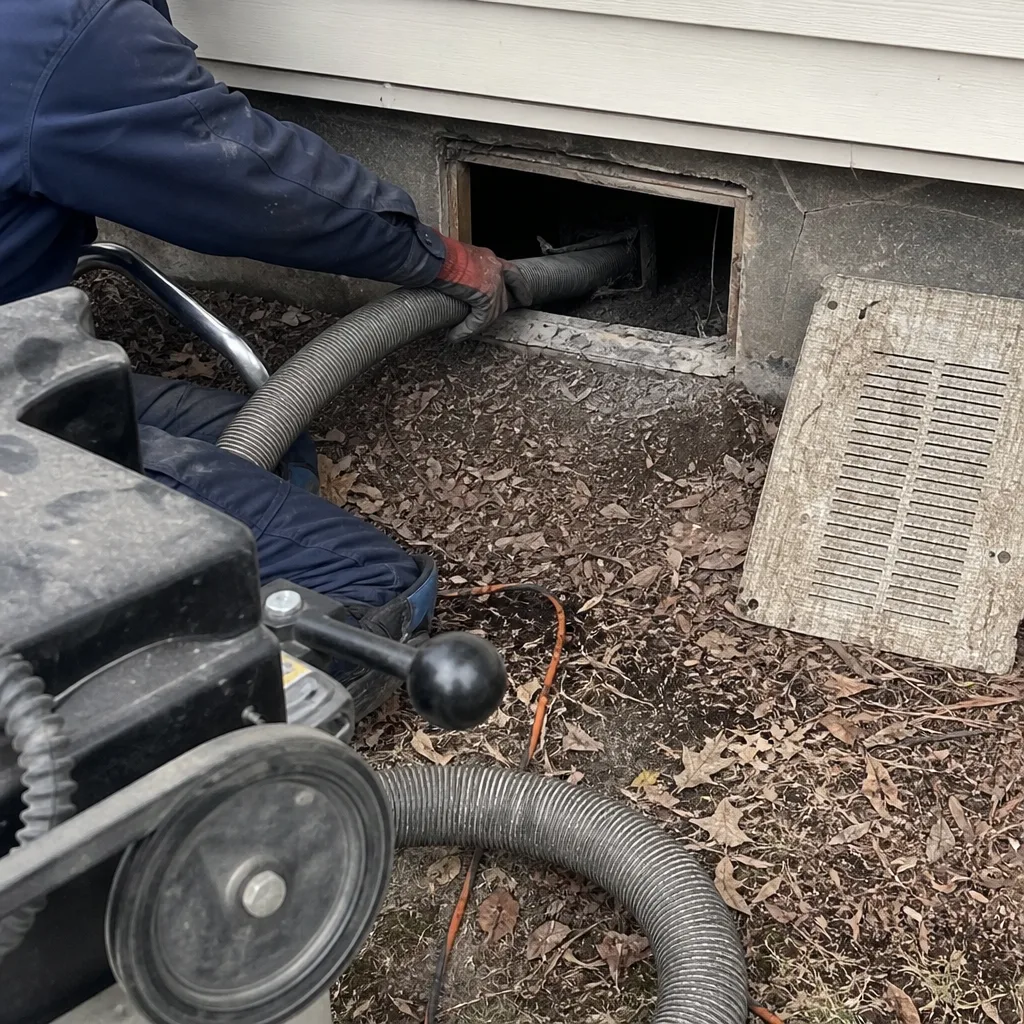 Before
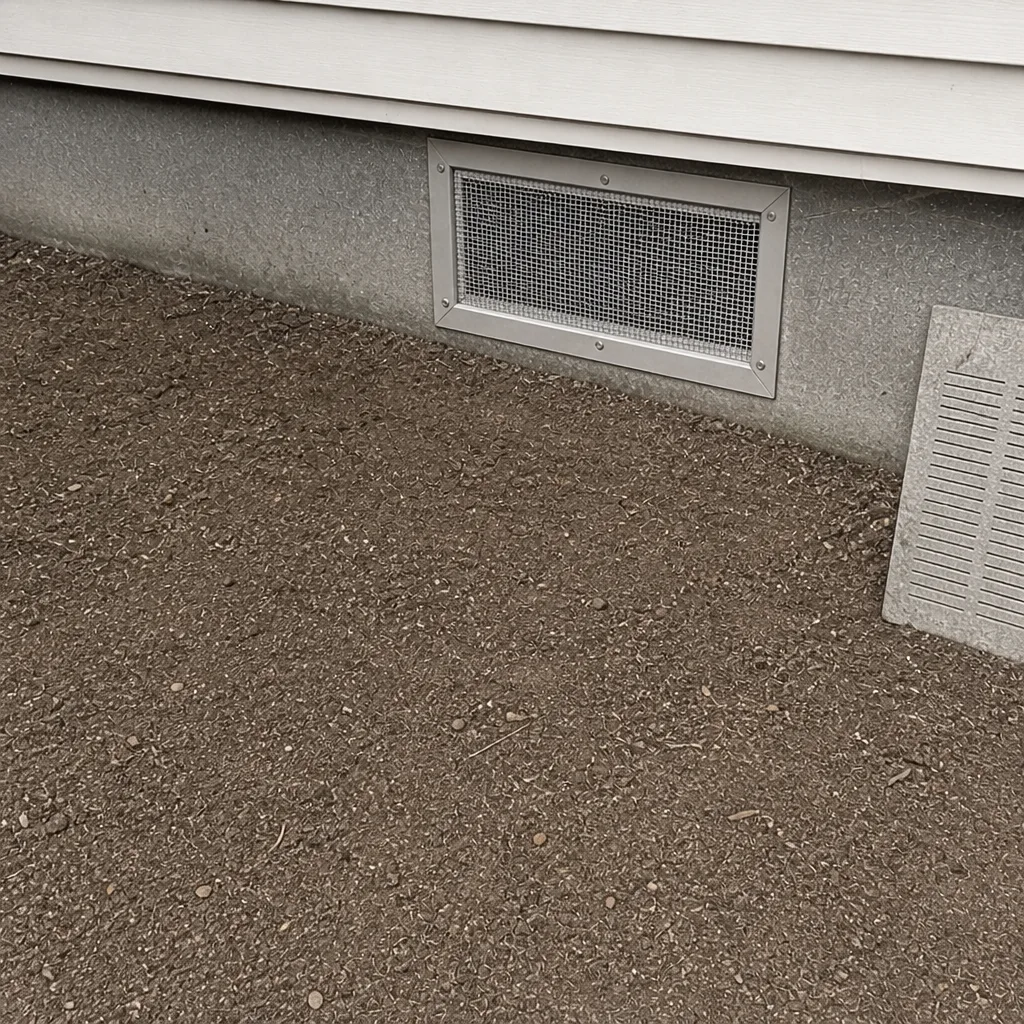 After
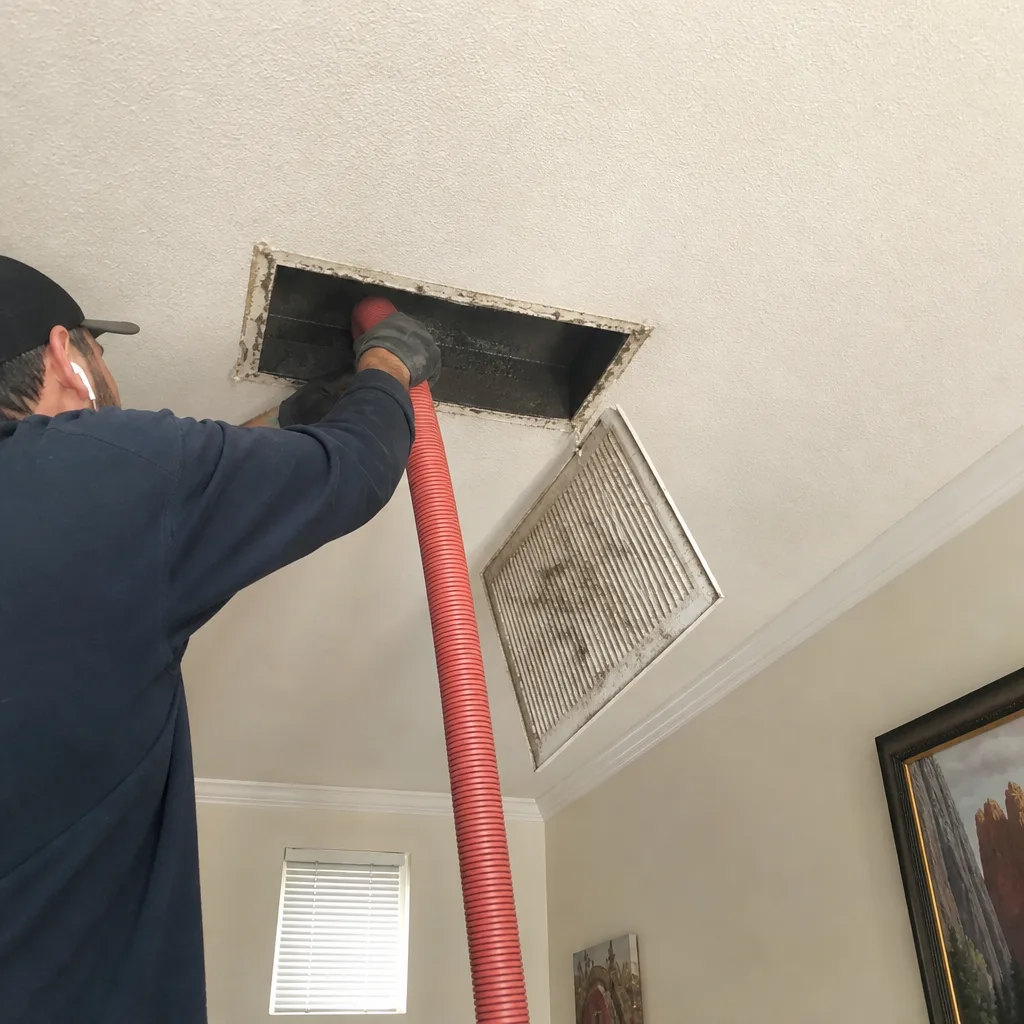 Before
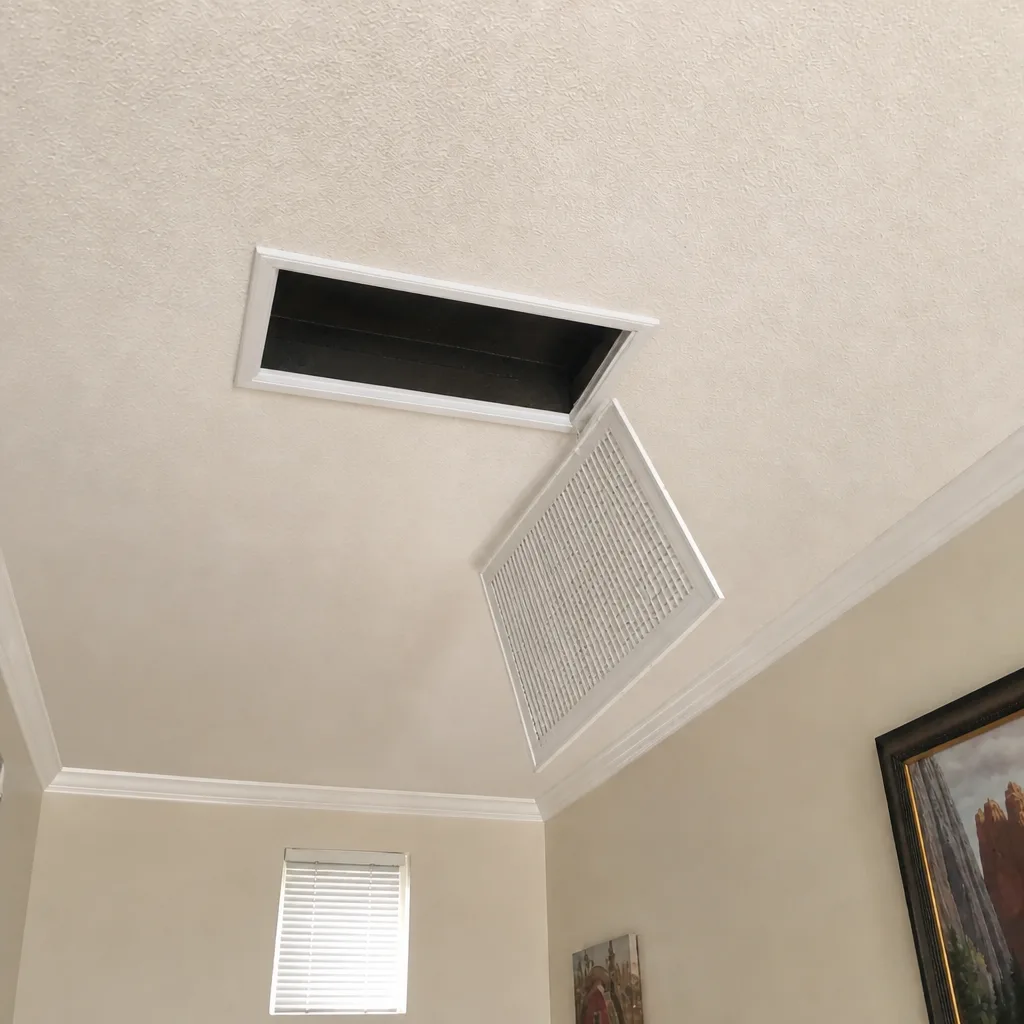 After
When to Call a Professional
Book a professional inspection when you see dust puffing from registers, a musty smell at startup, uneven heating or cooling, or a recent remodel that pushed drywall dust through the system. If you have respiratory sensitivities in the household, a camera inspection is a low-cost way to confirm whether the ducts are contributing. In West Jordan, we also recommend an inspection after any HVAC replacement, since system changes can leave debris or loose connections in the new layout. West Jordan Air Duct Cleaning offers free estimates in West Jordan: call (877) 302-8330. We answer 24/7. Fast dispatch from 7am to 7pm, Sunday through Friday. The written estimate sets the flat price per system before anything starts, and the local pro is licensed and insured as their state requires.
Frequently Asked Questions
Typical whole-house air duct cleaning in West Jordan runs on a flat price per system, quoted in writing after the technician sees the layout, the number of registers, and the condition of the ducts. Expect the estimate to cover supply lines, return lines, plenums, and the air handler, and to include before-and-after camera footage. Call (877) 302-8330 for an exact quote. Estimates are free.
Cheap quotes are usually the per-vent model: a low headline price that grows with every register, often after the technician is on site. A whole-system price agreed before work starts is the number you can trust. Ask for it in writing, then compare it to a flat per-system quote. Call (877) 302-8330 for a flat quote.
Ask for before-and-after camera footage of the main runs, plenums, and air handler, plus a written summary of what was cleaned. A contractor with real inspection equipment provides this by default. If a crew finishes without offering documentation, ask for it. Call (877) 302-8330 to schedule a cleaning with a full report.
There’s no universal calendar interval. Clean based on condition: dust puffing from registers, a musty smell at startup, uneven airflow, recent remodeling, or pets heavy in the house. In the Salt Lake Valley’s inversion seasons, those signs show up faster. A camera inspection is the honest way to decide. Call (877) 302-8330 for an inspection.
Air duct cleaning isn’t a licensed trade in Utah, so the certification question is about equipment and training standards rather than a state exam. Ask for the CFM rating, the agitation method, and whether the air handler is included, then verify the answers against the written scope. The local pro is licensed and insured as their state requires.
Cleaning removes accumulated debris; repair and sealing fix torn flex, separated joints, and gaps that let air and contaminants escape or enter. If the technician flags structural damage, repair first, then clean, or the new ducts re-soil fast. Call (877) 302-8330 for a free estimate on both.
The Bottom Line
Hiring an air duct cleaning contractor in West Jordan comes down to a handful of questions, not a stack of logos. Ask about CFM, agitation equipment, air handler access, and camera footage. Demand a flat price per system in writing, and compare the scope line by line: supply, return, plenums, and coil. Skip the shop-vac operators and the per-vent upsell. The contractor who answers those questions specifically is the one worth booking.
West Jordan Air Duct Cleaning works across the full air pathway with commercial-grade equipment, from West Jordan Air Duct Cleaning services to duct repair and sealing. One company, every duct. Call (877) 302-8330 for a free estimate. We answer 24/7. Fast dispatch from 7am to 7pm, Sunday through Friday.
Written by the team at West Jordan Air Duct Cleaning.